

Why Does a High-Performance Folding Box Shape the Future of Product Packaging?
2025-12-02
A folding box is a versatile, paper-based structural packaging solution engineered to protect, display, and elevate consumer products across industries such as cosmetics, pharmaceuticals, electronics, food, personal care, and luxury retail. Its value lies not only in visual presentation but in its ability to combine structural strength, sustainability, and customization within a compact, lightweight format.
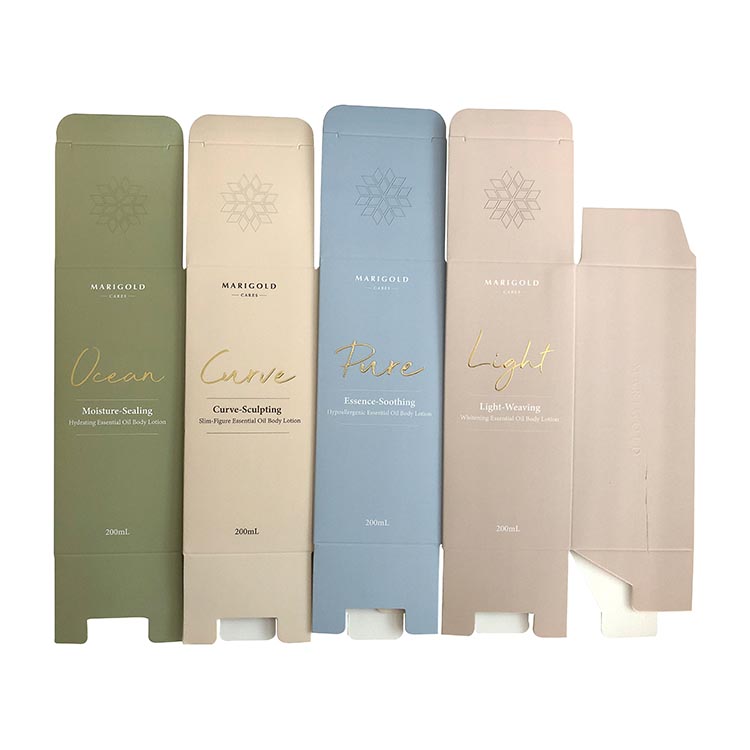
The central theme of this article explores the functionality, design logic, manufacturing precision, and future trends of folding boxes. Emphasis is placed on technical specifications, application performance, and industry-relevant decision-making. The goal is to showcase how a professionally engineered folding box supports brand identity, logistical efficiency, and environmental competitiveness.
Key Product Parameters (Sample Specification Table)
| Parameter | Specification Range | Industry Purpose |
|---|---|---|
| Material Options | 250–600g SBS / C2S Art Paper / Kraft Paper / CCNB / Specialty Paper | Matches strength, printing clarity, and sustainability requirements |
| Printing Technology | Offset Printing / UV Printing / Hot Stamping / Spot UV / Embossing | Supports luxury, retail, and commercial visual effects |
| Structural Types | Straight-Line Box / Lock-Bottom / Auto-Bottom / Tuck-End / Sleeve / Window Box | Adapts to product weight, display needs, and assembly workflow |
| Coatings | Gloss / Matte / Soft-Touch / Anti-Scratch / Aqueous / Plastic-Free Coatings | Enhances visual appeal and protects against wear |
| Dimensions | Fully customized (±0.5 mm tolerance) | Ensures perfect product fit to reduce breakage |
| Eco Features | FSC-Certified Paper / Recyclable Ink / Plastic-Free Lamination | Supports sustainable packaging commitments |
With these parameters as the foundation, the following sections explore the “how, why, what” dimensions behind folding box performance and future opportunities.
What Functions Make a Folding Box a High-Value Packaging Solution?
1. Structural Protection Designed for Multiple Industries
A folding box may appear lightweight, but its engineering is deeply strategic. Paper density, grain direction, crease score depth, and folding-lock mechanisms function together to create a supportive shell that resists compression, moisture, and abrasion. When properly designed:
-
Cosmetic boxes maintain precise shape to preserve a premium appearance.
-
Pharmaceutical boxes meet secure-lock and product-information printing requirements.
-
Electronic accessory boxes require strengthened walls to resist transit shock.
-
Food-safe boxes follow hygiene and barrier coating standards.
This multifunctionality transforms the folding box from simple paper packaging into an engineered protective system.
2. Branding Power Through Advanced Printing
Modern consumers make purchasing decisions visually within seconds. Folding boxes support ultra-high-resolution printing, metallic finishing, and tactile effects that elevate brand recognition. Specialty coatings—such as soft-touch or anti-scratch laminates—allow the packaging to reinforce product identity through sensory impact. Whether the goal is minimalistic elegance or dynamic retail shelf presence, the folding box remains a leading medium for brand storytelling.
3. Cost-Efficient Production and Transportation
The economic advantages remain one of the strongest reasons for its global adoption:
-
Flat shipping reduces logistics costs.
-
High-speed die-cutting lowers unit cost at scale.
-
Consistent repeatability ensures brand consistency.
-
Lower material weight reduces transportation emissions.
Combined, these factors create a rare blend of affordability and premium quality.
4. Eco-Optimized Packaging for a Sustainable Market
Sustainability is no longer optional. Folding boxes align with environmental expectations through:
-
Recyclable paper fibers
-
Plastic-free coating substitutes
-
FSC-certified sources
-
Biodegradable printing options
-
Minimal-waste die-cut layouts
This allows brands to meet consumer expectations and regulatory standards without sacrificing performance or aesthetics.
How Does Engineering Precision Improve Folding Box Performance?
1. Material Science Behind Strength and Texture
The paperboard used for folding boxes must balance stiffness, surface smoothness, and folding behavior. SBS (Solid Bleached Sulfate) provides luxury printing clarity, while kraft offers natural strength. Specialty papers introduce textures that visually distinguish products. Each material’s fiber structure affects print absorption, creasing consistency, and longevity.
2. Structural Design Logic
Expertly engineered folding boxes rely on calculated folding lines, locking tabs, glue areas, and weight-bearing panels. Even variations of one millimeter can influence assembly speed and structural integrity. Optimal structural design improves:
-
Load-bearing capacity
-
Stability during transport
-
Ease of automation on packing lines
-
Visual symmetry
-
User experience during unboxing
Precision eliminates deformation, incorrect folding, and gaps that reduce perceived quality.
3. Manufacturing Workflow
A complete manufacturing process typically includes:
-
Material selection
-
Plate making
-
High-resolution offset printing
-
Surface treatment and finishing
-
Die-cutting
-
Folding and gluing
-
Quality inspection
-
Flat packing for transport
Each stage requires consistency, especially when producing thousands or millions of units.
4. Performance Testing Standards
Reliable folding boxes undergo testing such as:
-
Compression resistance
-
Drop-impact simulation
-
Rubbing and abrasion tests for coatings
-
Color consistency inspection
-
Moisture-resistance measurement
These ensure that the final product supports supply-chain performance and retail presentation.
Why Will Folding Boxes Continue to Lead Future Packaging Trends?
1. Growth Driven by E-Commerce and Direct-to-Consumer Brands
As online retail expands, demand increases for packaging that offers:
-
Stronger transit protection
-
Compact storage for warehouse efficiency
-
Customizable branding for small batch orders
-
Cost-effective scaling for fast-growing companies
Folding boxes meet all these needs while delivering a premium unboxing experience that aligns with modern consumer expectations.
2. Personalization and Short-Run Digital Printing
Advances in digital printing allow businesses to produce:
-
Seasonal editions
-
Promotional series
-
Region-specific packaging
-
Customized gift versions
-
Serialized or QR-coded designs
This adaptability supports emotional marketing and targeted customer engagement.
3. Plastic-Reduction Policies and Environmental Pressures
Many countries are implementing stringent regulations limiting disposable plastics. Folding boxes become a natural alternative due to their recyclability and low environmental impact. The trend toward plastic-free windows, water-based adhesives, and biodegradable coatings pushes folding box innovation even further.
4. Intelligent Packaging Integration
Future folding boxes may incorporate:
-
Smart QR tracking
-
Anti-counterfeit features
-
Temperature-indicator inks
-
Interactive consumer engagement tags
These upgrades merge physical packaging with digital user experience, increasing value for brands and consumers.
Frequently Asked Questions (FAQ)
Q1: How strong is a folding box compared with other packaging materials?
A folding box, when properly engineered using high-density paperboard and accurate creasing, can achieve impressive structural strength comparable to some lightweight rigid packaging. Compression tests often demonstrate that a 350–450g paperboard folding box can protect cosmetics, supplements, electronics accessories, and small food items during transportation. Its strength comes from a combination of fiber composition, structural design, and coating support, making it reliable while still cost-efficient and environmentally friendly.
Q2: Can a folding box be fully sustainable without sacrificing appearance?
Yes. Modern production allows folding boxes to maintain premium visual quality while being completely recyclable and environmentally responsible. FSC-certified paper, water-based inks, and plastic-free laminations ensure both sustainability and high printing clarity. Finishing techniques such as embossing and hot stamping continue to offer luxury effects without relying on non-recyclable materials, making sustainability and aesthetics fully compatible.
Conclusion and Brand Mention
From structural performance and environmental benefits to advanced printing adaptability and future-ready smart packaging, the folding box continues to stand out as a practical and visually compelling choice for businesses aiming to improve product presentation and supply-chain efficiency. Whether used in cosmetics, pharmaceuticals, electronics, or premium retail, its balance of strength, lightweight design, and sustainability ensures long-term relevance in a competitive marketplace.
Manufacturers seeking precision engineering, aesthetic excellence, and customizable solutions can rely on professional providers such as Di Cai, a brand recognized for advanced material selection, consistent quality, and specialized folding box production. To explore tailored packaging solutions designed to elevate brand value and optimize product protection, contact us for detailed consultation and customized service.