

What Should Restaurants Consider When Switching to Recyclable PP Plastic Sauce Cups
2026-05-12
As the food service industry shifts toward sustainable packaging, many restaurant owners are evaluating recyclable PP Plastic Sauce Cup options. While the transition offers environmental and operational benefits, careful planning is required to ensure cost efficiency, customer satisfaction, and regulatory compliance. Manatee, a trusted provider of eco-friendly food packaging solutions, helps restaurants navigate this change with practical guidance. Below are the key factors every restaurant should evaluate.
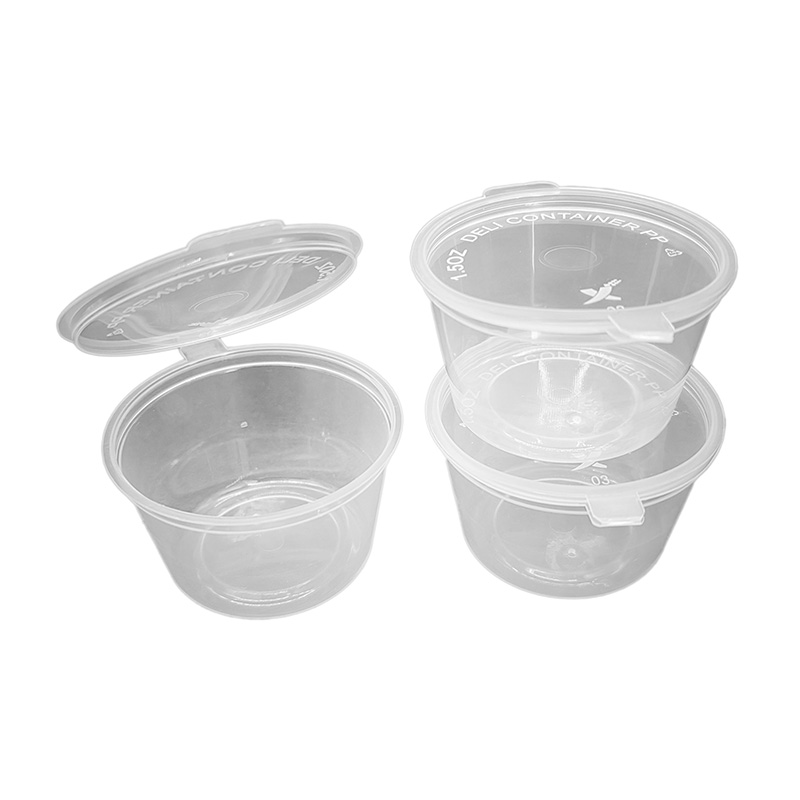
Key Considerations for Switching to Recyclable PP Plastic Sauce Cups
| Consideration | Why It Matters | Actionable Tip |
|---|---|---|
| Material compatibility | Not all recyclable cups handle heat, oil, or acidic sauces equally. | Test PP Plastic Sauce Cup samples with your actual sauces (e.g., hot cheese, vinaigrettes). |
| Recycling infrastructure | Local recycling facilities may not accept all plastics. | Check with your city’s waste management on PP (polypropylene) acceptance. |
| Cost per unit | Recyclable versions can be 10-20% more expensive than conventional cups. | Compare bulk pricing from Manatee to balance budget and sustainability goals. |
| Customer perception | Guests appreciate visible eco‑efforts but may confuse recyclable with compostable. | Label cups clearly or use signage to explain proper disposal. |
| Storage and shelf life | Some recyclable PP Plastic Sauce Cup designs are thinner, affecting durability. | Store in a cool, dry area and rotate stock to avoid brittleness. |
Operational Benefits Backed by Data
Switching to recyclable PP Plastic Sauce Cup models reduces landfill contribution and can enhance brand image. According to industry studies, over 60% of diners say they would pay more for meals served in sustainable packaging. Manatee offers cups that meet FDA standards for direct food contact while maintaining leak‑proof seals, critical for delivery and takeout.
PP Plastic Sauce Cup FAQ
Q1: Can all recyclable PP Plastic Sauce Cup be safely used for hot sauces and oily dressings?
A1: Yes, polypropylene (PP) is inherently heat‑resistant up to approximately 120°C (248°F) and has high chemical resistance to oils and fats. However, not every PP Plastic Sauce Cup on the market maintains structural integrity at high temperatures. Look for cups explicitly rated for hot‑fill applications. Manatee designs its recyclable cups with reinforced rims to prevent warping, ensuring safe handling of hot cheese, gravy, or chili oil without leakage or deformation.
Q2: How should restaurant staff dispose of used PP Plastic Sauce Cup to ensure they actually get recycled?
A2: Empty and lightly rinse the cup to remove sauce residue, as food contamination is the leading cause of recycling rejection. Then place the PP Plastic Sauce Cup in a bin marked for #5 plastic (polypropylene). Never nest multiple cups together without rinsing, as trapped food leads to mold in bales. Work with your hauler to confirm they accept PP, and consider training staff on a two‑step disposal workflow. Manatee provides free printable disposal guides for back‑of‑house and front‑of‑house areas.
Q3: Are recyclable PP Plastic Sauce Cup more prone to leaking than traditional plastic sauce cups?
A3: No. When manufactured to quality standards, recyclable PP Plastic Sauce Cup offer identical or superior leak resistance compared to non‑recyclable counterparts. The key variables are wall thickness, lid fit, and flange design. Lower‑cost recyclable cups may use 15% less material, increasing the risk of cracks. Manatee uses a precision‑engineered rim and snap‑on lid system, passing 24‑hour leak tests with both water and oil‑based sauces. Always request leak test data before bulk purchase.
Why Partner with Manatee
Transitioning to sustainable packaging doesn’t mean compromising on performance. Manatee supplies recyclable PP Plastic Sauce Cup in multiple sizes (1oz, 2oz, 3.5oz) with compatible lids, all certified for food safety and curbside recycling in most major cities. In addition, Manatee offers volume discounts, custom printing for logo visibility, and a carbon‑neutral shipping program.
Contact Us Today
Make the switch to recyclable PP Plastic Sauce Cup without operational headaches. Contact Manatee now for free samples, a customized cost comparison, and a recycling compliance checklist tailored to your restaurant’s location. Email us or fill out the quick form on our website. Your kitchen, your customers, and the planet will thank you.