

What Are the Most Frequently Shipped Products by Sea From China to the Mexican Market
2026-03-20
Understanding the specific commodities that dominate Sea Shipping From China to Mexico is essential for importers looking to optimize their supply chain. The commercial relationship between these two nations relies heavily on ocean freight due to the volume and nature of goods traded. Ruizhou has extensive experience handling these specific cargo types, ensuring they meet Mexican import regulations and arrive in optimal condition. The following analysis details the top product categories currently moving across the Pacific.
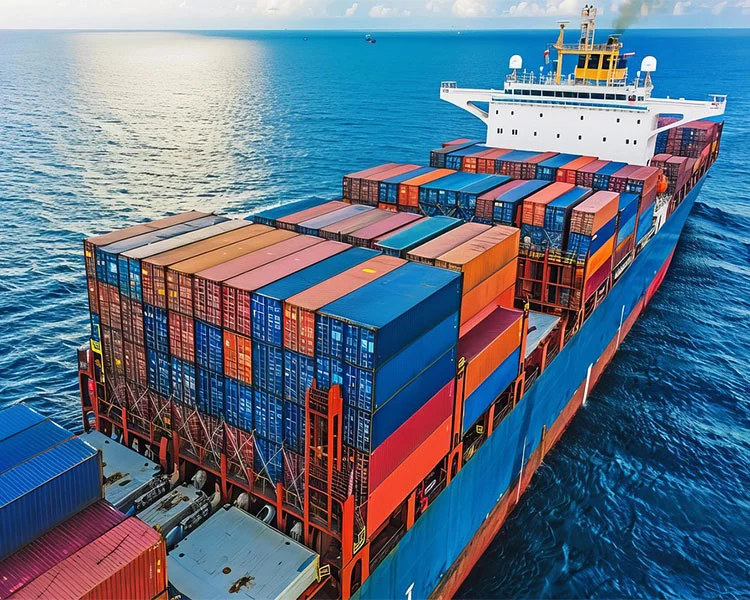
The Dominant Product Categories in Mexico-China Trade
Mexican consumers and industries depend on Chinese manufacturing for a vast array of goods. The shipments are generally divided between consumer electronics, industrial inputs, and household goods. Below is a detailed breakdown of the primary products shipped via ocean freight.
1. Electronics and Machinery
This category consistently represents the highest value and volume in Sea Shipping From China to Mexico.
-
Consumer Electronics: Smartphones, laptops, tablets, and headphones.
-
Home Appliances: Air conditioners, refrigerators, vacuum cleaners, and microwaves.
-
Industrial Machinery: Manufacturing equipment, generators, and construction machinery parts.
2. Automotive Parts and Accessories
With a strong automotive manufacturing sector, Mexico imports a significant number of components from China.
-
Key Items: Brake systems, transmissions, alternators, starters, and interior plastic components.
-
Aftermarket: Custom wheels, floor mats, and performance parts for vehicle modification.
3. Furniture and Home Decor
Chinese furniture is highly competitive in the Mexican market, both for residential and commercial use.
-
Types: Flat-pack furniture, office chairs, leather sofas, and outdoor patio sets.
-
Materials: Metal shelving units, wooden tables, and plastic storage solutions.
4. Textiles and Footwear
Despite local production, China remains a key supplier for affordable fashion and technical textiles.
-
Apparel: Casual wear, activewear, and leather goods.
-
Footwear: Sports shoes, sandals, and formal shoes.
-
Industrial Textiles: Upholstery fabric and technical materials.
5. Medical Supplies and Personal Care
This sector saw substantial growth and remains a staple for sea freight shipments.
-
Products: PPE, surgical instruments, disposable gloves, and personal care electronics like hair dryers and trimmers.
6. Toys and Sporting Goods
Seasonal demand and retail inventory heavily rely on imports from China.
-
Toys: Plastic toys, electronic games, and educational materials.
-
Sports Equipment: Bicycles, fitness equipment, camping gear, and team sports apparatus.
Categorization of High-Volume Sea Freight Imports
To better visualize the logistics requirements, the following table outlines the typical shipping considerations for these top products handled by Ruizhou.
| Product Category | Common HS Code Sections | Typical Packaging | Special Logistics Considerations |
|---|---|---|---|
| Consumer Electronics | 85 (Electrical Machinery) | Cartons with foam inserts | Moisture protection, anti-theft measures |
| Auto Parts | 87 (Vehicles & Parts) | Cartons, wooden crates | Secure stacking to prevent damage |
| Furniture | 94 (Furniture) | Flat-pack cartons | Protection against scratches and crushing |
| Textiles | 61 & 62 (Apparel) | Bales, compressed cartons | Mildew prevention during transit |
| Toys | 95 (Toys & Sports) | Color box cartons | Consolidation for retail-ready display |
Why These Products Dominate Sea Freight
The reliance on ocean freight for these items is driven by economic factors. Sea Shipping From China to Mexico offers the most cost-effective solution for large volumes. High-value electronics benefit from the stability of container shipping, which reduces vibration and damage risks compared to air freight for large quantities. Heavy items like machinery and auto parts are simply too expensive to move by air. For furniture and bulky toys, the cube size (volume) makes sea freight the only viable option to maintain retail price points.
Sea Shipping From China to Mexico FAQ
To provide further clarity on the logistics of these products, here are answers to the most common questions from importers.
Question 1: How do I ensure my electronics are safe from humidity during ocean transit?
Answer: Electronics are highly susceptible to moisture damage, a common risk during long ocean voyages. To mitigate this, Ruizhou recommends using desiccants inside the containers and opting for "Vapor Barrier Bags" for high-value items. We also advise selecting a "Dehumidifying Container" or ensuring your freight forwarder places the container in a non-rainy berth during port storage. Furthermore, using a container with a dehumidifier unit, while more expensive, is the best practice for sensitive cargo. Proper packaging with sealed anti-static bags is your first and most critical defense.
Question 2: What is the minimum volume required to make sea freight cost-effective for furniture?
Answer: For furniture, sea freight becomes significantly more cost-effective than air freight once your shipment exceeds 1 to 2 cubic meters (CBM). However, the most common and economical method is a Full Container Load (FCL), typically a 20ft or 40ft container. A 20ft container holds approximately 25-28 CBM of flat-packed furniture. If you are a smaller importer, Ruizhou can consolidate your furniture with other goods (Less than Container Load - LCL) until you reach a volume that justifies a full container. We generally advise that any shipment under 5 CBM might be better served by air or courier services, but we are happy to calculate the exact break-even point for your specific product dimensions.
Question 3: Are there special import restrictions in Mexico for automotive parts shipped from China?
Answer: Yes, automotive parts are subject to strict regulations in Mexico, primarily enforced by the Ministry of Economy (SE) and the tax authority (SAT). You must ensure your products comply with the applicable NOM (Norma Oficial Mexicana) standards. For example, parts affecting vehicle safety, such as tires, brake pads, and child restraint systems, require a NOM-194-SCFI certificate. Additionally, you must provide a Pedimento de Importación (customs declaration) processed by a Mexican customs broker. Ruizhou works closely with certified brokers to pre-validate your product documentation before the vessel departs from China, preventing costly delays at the Mexican port of entry like Manzanillo or Lázaro Cárdenas.
Conclusion and Call to Action
Navig the complexities of Sea Shipping From China to Mexico requires a partner who understands the specific needs of your products, whether you are shipping fragile electronics or bulky machinery. At Ruizhou, we specialize in providing tailored logistics solutions that ensure your cargo arrives safely, on time, and in full compliance with Mexican regulations. Do not let shipping challenges slow down your business growth.
Contact us today to discuss your specific cargo needs and receive a personalized freight quote.