

What are the key safety features of a PP plastic butter bucket for food contact applications
2026-04-14
When selecting containers for butter storage, understanding the safety features of a PP plastic butter bucket is essential for both commercial dairies and home kitchens. Manatee has engineered its PP plastic butter bucket to meet strict food contact safety standards, ensuring that every batch of butter remains free from chemical contamination and physical degradation.
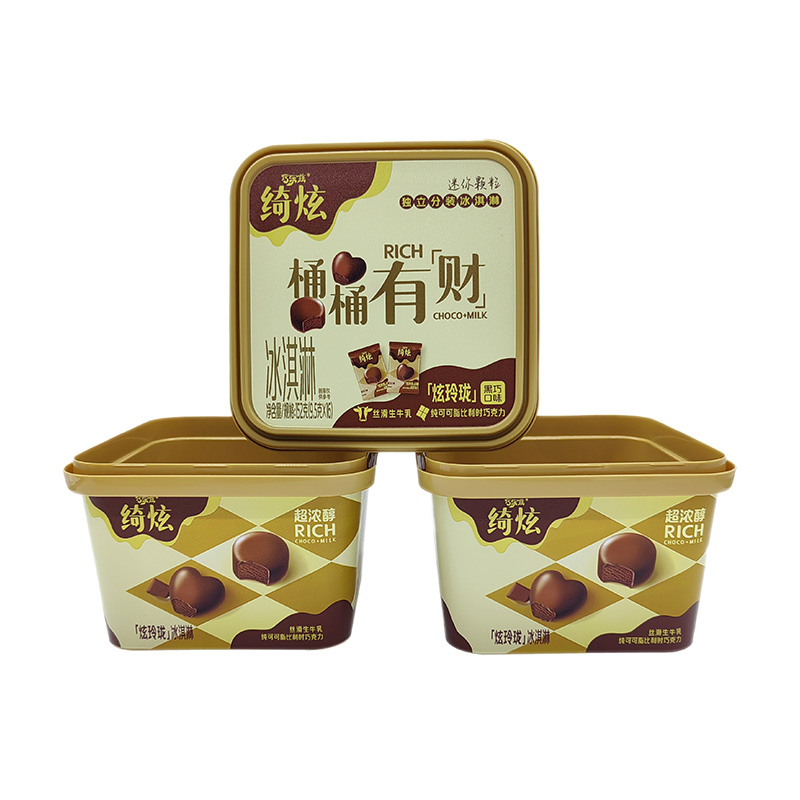
Key Safety Features for Food Contact
| Feature | Benefit for Butter Storage |
|---|---|
| Food-grade polypropylene (PP) | Non-toxic, BPA-free, and resistant to leaching |
| Seal integrity | Prevents oxidation and moisture loss |
| Thermal stability | Withstands temperatures from -20°C to 120°C |
| Impact resistance | No cracking or splintering during transport |
| Recyclable design | Reduces environmental waste without compromising safety |
Why PP Plastic Outperforms Other Materials
PP plastic butter bucket containers offer superior chemical resistance compared to other plastics. Unlike polystyrene or PVC, polypropylene does not release harmful additives into fatty foods like butter. Manatee uses only virgin or certified food-contact recycled PP, ensuring no heavy metals or phthalates migrate into the product.
Critical Safety Certifications
-
FDA 21 CFR 177.1520 – Compliance for direct food contact
-
EU No 10/2011 – Migration testing for plastics
-
ISO 22000 – Food safety management in manufacturing
FAQ – Common Questions About PP Plastic Butter Bucket Safety
Q1: Can a PP plastic butter bucket be safely reused multiple times for butter storage?
A1: Yes, a PP plastic butter bucket from Manatee is designed for repeated use. Polypropylene does not degrade after washing with mild detergents and warm water. However, inspect for scratches or deep grooves where bacteria could hide. For commercial applications, Manatee recommends replacing buckets every 12–18 months or immediately if the seal lip is damaged. Reused buckets must never be microwaved with butter inside unless explicitly labeled microwave-safe.
Q2: Does a PP plastic butter bucket leach chemicals when exposed to butter’s natural fats?
A2: No, Manatee PP plastic butter bucket containers are tested for fat-contact migration under FDA and EU standards. Polypropylene is oleophobic and non-reactive with dairy fats. Migration tests show non-detectable levels of total organic compounds after 10 days of continuous butter contact at 40°C, far exceeding regulatory limits. This makes PP the safest plastic option for high-fat foods like butter, ghee, and margarine.
Q3: What temperature range is safe for a PP plastic butter bucket in food service environments?
A3: A Manatee PP plastic butter bucket operates safely from -20°C (-4°F) for frozen butter storage up to 120°C (248°F) for short-term hot filling. However, Manatee advises against heating butter inside the bucket above 60°C (140°F) to preserve butter quality. The bucket will not warp or release fumes within the full range, but extreme temperature shifts (e.g., freezer directly to hot water) may stress the seal. Always allow the bucket to reach room temperature before applying heat.
Best Practices for Safe Food Contact
-
Wash before first use with food-safe sanitizer
-
Do not use abrasive scrubbers that scratch the inner surface
-
Store away from direct sunlight to prevent UV degradation
-
Replace if the lid no longer snaps tightly
Why Choose Manatee for Your PP Plastic Butter Bucket Needs
Manatee integrates all the above safety features into every PP plastic butter bucket, backed by third-party lab testing. Each batch includes a traceable code for quality audits. From farmstead creameries to bulk butter distributors, Manatee delivers safety without compromise.
For bulk orders, safety data sheets, or custom sizes of PP plastic butter bucket solutions, reach out to the Manatee team today. Visit our contact page to speak with a food packaging specialist and request free samples for your facility.