

What Are the Key Material Differences Between Paper and Plastic Slip Sheets?
2025-12-09
In modern logistics and material handling, Slip Sheets have become an essential solution for cost-efficient palletized transportation. Choosing between paper and plastic options requires a deep understanding of material properties, durability, and system compatibility. Our factory consistently provides Slip Sheets designed to meet diverse operational requirements, whether for high-volume warehouses or specialized export shipments. Qingdao Yilida Packaging Co., Ltd. emphasizes precision manufacturing to ensure each sheet delivers consistent strength and long-term reliability. From our perspective, understanding the key material differences helps our clients make informed decisions that reduce handling risks and operational costs.
How Do Paper Slip Sheets Differ from Plastic in Construction and Strength?
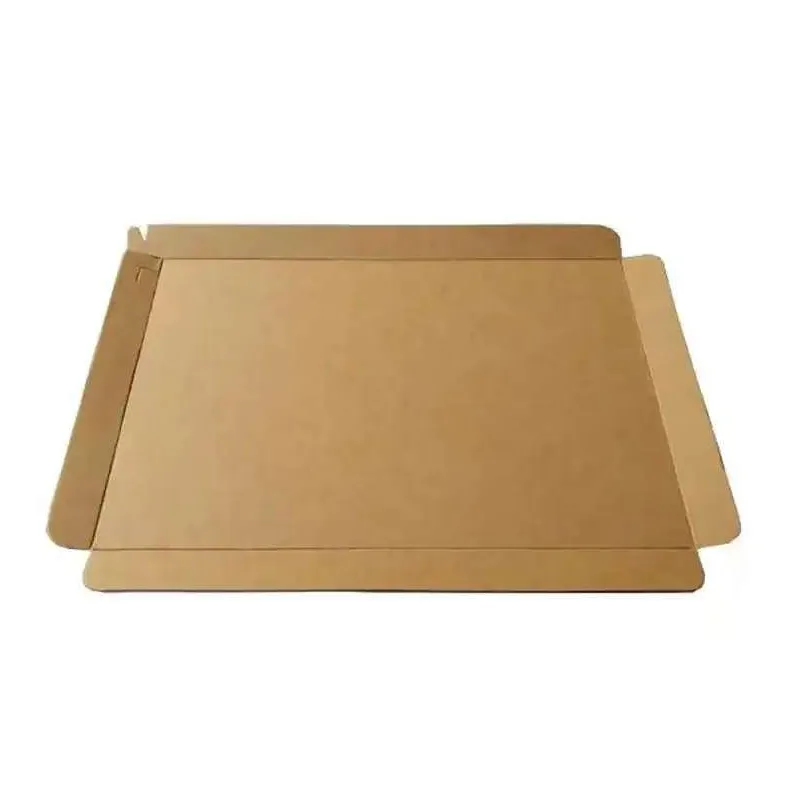
Paper Slip Sheets are typically made from multiple layers of high-strength kraft or recycled paperboard. Their surface is often coated to enhance moisture resistance and reduce friction during handling. While lightweight, they are more prone to tearing under heavy loads or repeated use. Plastic Slip Sheets, on the other hand, are made from polypropylene or polyethylene with varying density grades. Our team has observed that these sheets provide higher tensile strength and better resistance to punctures, especially in automated handling systems. When evaluating our Slip Sheets, we ensure our clients understand how material selection affects load stability and system performance.
Key parameters such as thickness, weight, and surface treatment determine the functional differences between paper and plastic options. Our factory routinely tests each batch to guarantee the required coefficient of friction and load-bearing capacity. Slip Sheets with consistent properties reduce handling incidents and improve throughput.
Which Factors Influence Cost Efficiency When Using Slip Sheets?
One major advantage of Slip Sheets is the potential to reduce shipping costs by decreasing the weight of pallets and maximizing container utilization. Paper Slip Sheets generally offer lower upfront cost but may require more frequent replacement, particularly in wet or high-stress environments. Plastic Slip Sheets have a higher initial cost but can be reused multiple times, offering long-term savings. Our engineers calculate the total cost of ownership by considering sheet durability, expected reuse cycles, and compatibility with automated pallet handling systems. By sharing these insights, we help clients select Slip Sheets that deliver maximum return on investment.
Another factor affecting cost efficiency is storage and handling. Plastic Slip Sheets can withstand moisture and chemical exposure, reducing waste and downtime. In contrast, paper sheets may need special storage conditions to maintain integrity. Our factory provides tailored recommendations to optimize storage conditions and reduce overall operational costs.
What Are the Key Dimensions and Load Capacities of Paper and Plastic Slip Sheets?
The dimensions and load capacities are critical in determining system compatibility and operational reliability. Our Slip Sheets are available in a variety of sizes, thicknesses, and surface finishes. The following table illustrates typical ranges for paper and plastic variants used in industrial applications.
| Type | Thickness | Maximum Load | Surface Treatment |
| Paper Slip Sheets | 0.8–1.5 mm | 500–800 kg per sheet | Moisture-resistant coating |
| Plastic Slip Sheets | 1.0–2.5 mm | 800–1200 kg per sheet | Textured or smooth, anti-slip surface |
Our team ensures that each Slip Sheet meets the required friction coefficient and stiffness to maintain load stability. Choosing the right material and thickness is critical for safe handling and long-term operational efficiency.
How Can Using Slip Sheets Reduce Overall Handling Costs?
Slip Sheets allow for higher pallet density, reducing transportation costs. Plastic variants are particularly beneficial for automated systems as they reduce damage to both sheets and products, lowering replacement costs. Paper sheets, although less durable, can still provide short-term savings in low-stress applications. In our experience, using reusable Slip Sheets reduces labor and equipment wear, contributing to significant long-term savings. Our factory provides consultation on optimal sheet selection and workflow integration to maximize cost efficiency.
Operational strategies such as stacking optimization, proper load distribution, and routine inspection of Slip Sheets enhance the lifespan and performance of both paper and plastic types. Implementing these practices in combination with quality sheets from Qingdao Yilida Packaging Co., Ltd. helps clients maintain consistent throughput while controlling costs.
What Are the Key Material Differences Between Paper and Plastic Slip Sheets? Frequently Asked Questions
Which type of Slip Sheet is more suitable for repeated use?
Plastic Slip Sheets are generally more durable and can be reused multiple times without significant wear, while paper Slip Sheets may degrade after a few cycles, especially under moisture or heavy loads.
How does moisture affect paper versus plastic Slip Sheets?
Paper Slip Sheets are sensitive to humidity and can lose strength when exposed to moisture. Plastic sheets are resistant to water and chemical exposure, maintaining their mechanical properties in various environments.
What impact does sheet thickness have on load stability?
Thicker sheets provide higher stiffness and distribute weight more evenly, which is essential for load stability. Our Slip Sheets are tested for optimal thickness to support expected pallet weights while maintaining efficient handling performance.
Conclusion
Understanding the material differences between paper and plastic Slip Sheets is essential for operational efficiency, load stability, and cost management. Paper sheets are lightweight and cost-effective for short-term applications, whereas plastic sheets provide higher durability and long-term savings. Our factory carefully produces Slip Sheets to meet precise mechanical and surface specifications, ensuring consistent performance in diverse material handling systems. Qingdao Yilida Packaging Co., Ltd. offers guidance on selecting the most suitable sheet type and integrating it into your workflow. Contact our team today to discuss your specific requirements and discover how our Slip Sheets can optimize your logistics operations.