

How Plastic Food Containers Improve Daily Life?
2026-05-09
Summary: Plastic food containers have become an essential part of modern kitchens. They provide convenient storage, ensure food safety, and help reduce waste. This article explores the benefits, types, usage tips, and maintenance of plastic food containers, aiming to solve common problems faced by consumers in their daily food storage routines.
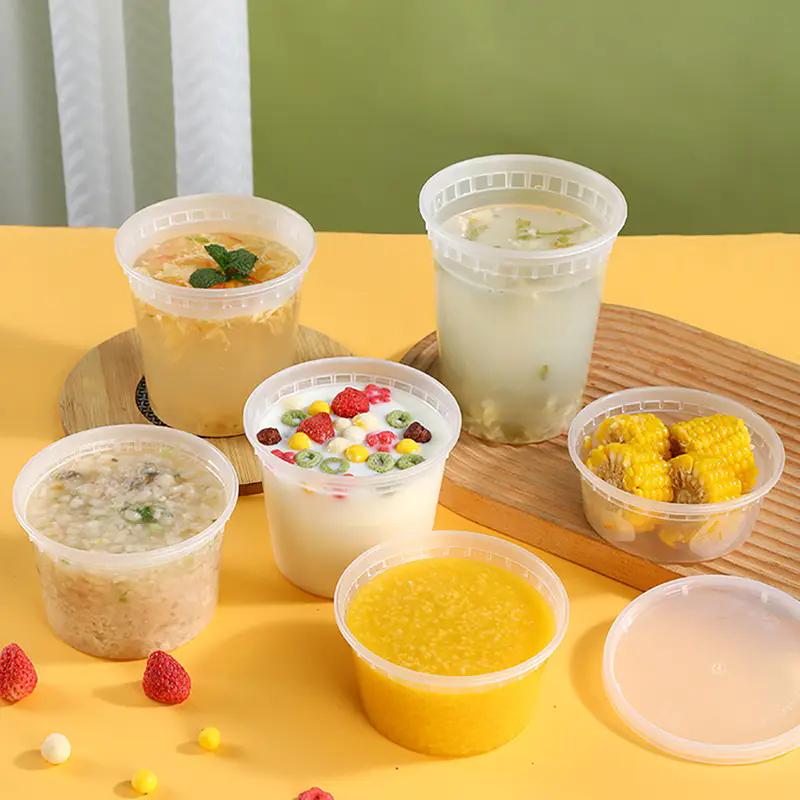
Table of Contents
- Introduction to Plastic Food Containers
- What Types of Plastic Food Containers Are Available?
- Why Use Plastic Food Containers?
- How to Choose the Right Plastic Food Container?
- Maintenance and Cleaning Tips
- Common Issues and Solutions
- FAQ
1. Introduction to Plastic Food Containers
Plastic food containers are versatile, lightweight, and durable storage solutions widely used in households, restaurants, and food delivery services. Unlike glass or metal alternatives, plastic containers are less prone to breaking, making them ideal for everyday use.
Modern plastic food containers, like those produced by Ningbo Powerr Plastic Products Co., Ltd., are designed to ensure food safety, prevent leaks, and offer airtight seals that maintain freshness for longer periods.
2. What Types of Plastic Food Containers Are Available?
Understanding the different types of plastic food containers helps users make informed choices. Here are the most common categories:
| Type | Material | Best For | Key Feature |
|---|---|---|---|
| PP (Polypropylene) Containers | Plastic | Microwave use, hot foods | Heat resistant, lightweight |
| PE (Polyethylene) Containers | Plastic | Cold foods, storage | Durable, flexible |
| PET (Polyethylene Terephthalate) | Plastic | Packaged meals, beverages | Transparent, recyclable |
| PP+TPR Seal Containers | Plastic + Rubber | Leak-proof storage | Airtight, secure |
Each type comes in various sizes, shapes, and sealing mechanisms, making them suitable for a wide range of food storage needs.
3. Why Use Plastic Food Containers?
Plastic food containers offer several advantages that make them a preferred choice over other materials:
- Durability: Resistant to breaking and cracking.
- Portability: Lightweight for easy transport.
- Cost-effective: Affordable compared to glass or stainless steel.
- Versatility: Suitable for freezing, microwaving, and fridge storage.
- Space-saving: Stackable designs maximize storage efficiency.
These benefits make plastic containers ideal for families, office workers, and food service providers seeking convenience without compromising safety.
4. How to Choose the Right Plastic Food Container?
When selecting a plastic food container, consider the following criteria:
- Material Safety: Ensure containers are BPA-free and FDA-approved for food use.
- Size and Shape: Match container sizes with your food storage needs.
- Sealing Mechanism: Choose airtight lids to prevent leaks and maintain freshness.
- Temperature Resistance: Check if the container is suitable for microwaving or freezing.
- Durability: High-quality plastics last longer and resist wear and tear.
Companies like Ningbo Powerr Plastic Products Co., Ltd. provide a variety of containers that meet these criteria, ensuring users get reliable and long-lasting solutions.
5. Maintenance and Cleaning Tips
Proper maintenance ensures the longevity of plastic food containers:
- Wash containers with warm soapy water before first use.
- Avoid using abrasive scrubbers to prevent scratches.
- Use a soft cloth or sponge for cleaning lids and seals.
- Occasionally sanitize containers by boiling or using food-safe disinfectants.
- Dry containers completely before storing to avoid mold growth.
Following these tips helps maintain the quality and safety of your containers over time.
6. Common Issues and Solutions
Even high-quality plastic containers may encounter problems. Here are solutions to frequent concerns:
| Issue | Cause | Solution |
|---|---|---|
| Leakage | Poor sealing lid | Check lid alignment and use airtight containers |
| Odor Retention | Strong-smelling foods | Use baking soda or lemon water to deodorize |
| Warping | Excessive heat exposure | Ensure container is microwave-safe; avoid high heat |
| Staining | Tomato or curry sauces | Soak in vinegar solution or use stain-resistant containers |
7. FAQ
Conclusion
Plastic food containers are indispensable tools for modern food storage, offering convenience, safety, and durability. By selecting the right material, maintaining proper hygiene, and addressing common issues effectively, users can enjoy long-lasting, versatile storage solutions. Ningbo Powerr Plastic Products Co., Ltd. provides a wide range of high-quality containers designed to meet diverse needs, ensuring your food stays fresh and secure.
For inquiries or to explore our full range of products, contact us today and discover the perfect plastic food containers for your home or business.