

How Pharmaceutical Labels Improve Product Safety and Brand Trust
2026-07-27
Article Summary
Pharmaceutical labels are more than simple product identifiers. They are essential communication tools that help manufacturers, healthcare professionals, distributors, and patients understand critical medication information. A well-designed pharmaceutical label improves product traceability, supports regulatory compliance, reduces medication errors, and strengthens brand credibility.
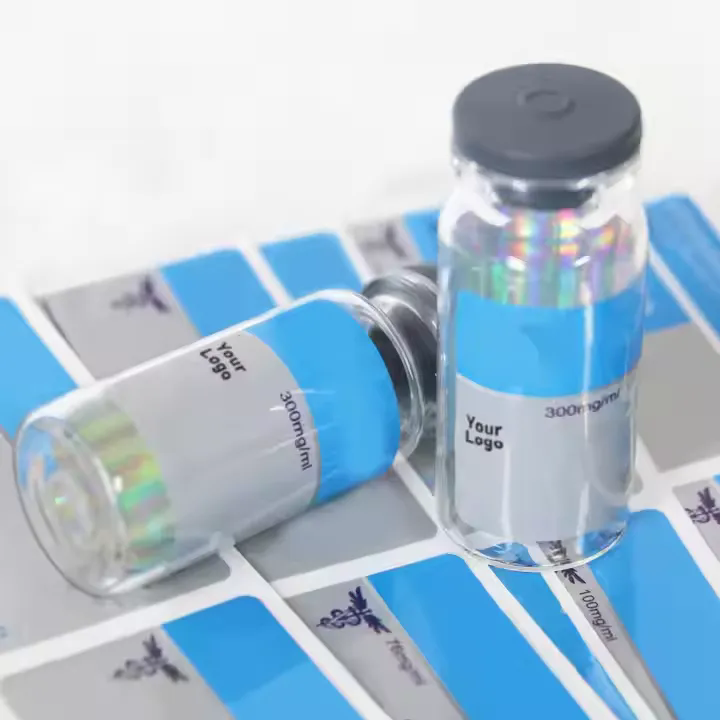
In the pharmaceutical industry, every detail matters. From material selection and printing quality to adhesive performance and information clarity, pharmaceutical labels must withstand demanding environments while maintaining accuracy throughout the product lifecycle. This article explains how pharmaceutical labels solve common packaging challenges and how companies can choose reliable labeling solutions for different medical applications.
Table of Contents
- 1. Why Pharmaceutical Labels Are Important
- 2. What Challenges Do Pharmaceutical Labels Solve?
- 3. Key Features of High-Quality Pharmaceutical Labels
- 4. How to Choose the Right Pharmaceutical Labels
- 5. Common Applications of Pharmaceutical Labels
- 6. How Pharmaceutical Label Manufacturing Ensures Quality
- 7. Benefits of Professional Pharmaceutical Label Solutions
- 8. Frequently Asked Questions
1. Why Pharmaceutical Labels Are Important
Pharmaceutical products require precise identification because incorrect information can create serious risks. Pharmaceutical labels provide essential details such as product names, dosage instructions, batch numbers, expiration dates, storage requirements, and regulatory information.
Unlike ordinary product labels, pharmaceutical labels must meet strict requirements for durability, readability, and accuracy. They need to remain clear during transportation, storage, and handling while ensuring that important information is always available.
For pharmaceutical manufacturers, investing in reliable labeling solutions is not only about packaging appearance. It is about protecting patients, improving supply chain management, and maintaining market reputation.
2. What Challenges Do Pharmaceutical Labels Solve?
Pharmaceutical companies often face complex packaging challenges. Poor-quality labels can lead to unclear information, damaged identification, and compliance problems. Professional pharmaceutical labels are designed to solve these issues.
- Preventing Information Loss: High-quality printing technology ensures that product information remains visible and readable throughout the product lifespan.
- Improving Product Traceability: Labels can include barcodes, QR codes, serial numbers, and batch information to support tracking and inventory management.
- Supporting Regulatory Requirements: Pharmaceutical labels help companies display mandatory information according to industry standards.
- Reducing Counterfeit Risks: Advanced label solutions can incorporate security features to protect pharmaceutical brands.
- Handling Difficult Environments: Medical products may experience temperature changes, moisture, chemicals, and long storage periods, requiring durable label materials.
3. Key Features of High-Quality Pharmaceutical Labels
A professional pharmaceutical label solution should combine functionality, durability, and visual clarity. The following features are essential for modern pharmaceutical packaging.
| Feature | Why It Matters |
|---|---|
| Strong Adhesion | Ensures labels stay attached to bottles, boxes, and medical containers during storage and transportation. |
| High Printing Accuracy | Keeps important details such as dosage information and batch numbers clear. |
| Durable Materials | Provides resistance against moisture, chemicals, and temperature changes. |
| Security Features | Helps prevent unauthorized duplication and protects product authenticity. |
| Custom Design Capability | Allows pharmaceutical companies to create labels suitable for different products and packaging formats. |
4. How to Choose the Right Pharmaceutical Labels
Selecting suitable pharmaceutical labels requires careful consideration of product characteristics, packaging materials, and application environments. Companies should evaluate several important factors before making a decision.
- Product Requirements: Different medicines require different labeling solutions. Liquid medicines, tablets, injections, and healthcare products may need different materials and adhesive technologies.
- Packaging Surface: Labels must match the surface characteristics of glass bottles, plastic containers, cartons, or special medical packaging.
- Environmental Conditions: Consider whether products will be stored in cold environments, humid areas, or conditions involving chemical exposure.
- Printing and Identification Needs: Determine whether the label requires variable data printing, barcodes, serialization, or tracking information.
- Brand Presentation: A professional label design can improve product recognition and create stronger customer confidence.
5. Common Applications of Pharmaceutical Labels
Pharmaceutical labels are widely used across different healthcare sectors. Their flexibility allows them to support various product categories.
- Prescription medicine packaging
- Over-the-counter medication bottles
- Medical equipment identification
- Laboratory reagent containers
- Healthcare supplement packaging
- Injection and vial labeling
- Hospital pharmacy management systems
Each application has specific requirements. For example, hospital products may require extremely clear identification, while laboratory products may need labels that resist chemicals and temperature changes.
6. How Pharmaceutical Label Manufacturing Ensures Quality
Manufacturing reliable pharmaceutical labels requires strict quality control throughout the production process. Professional suppliers focus on material selection, printing accuracy, adhesive performance, and inspection procedures.
JOJO Pack understands the demanding requirements of pharmaceutical packaging and provides customized pharmaceutical label solutions designed for different applications. By combining advanced production technology with careful quality management, JOJO Pack helps customers achieve reliable labeling performance.
A typical pharmaceutical label manufacturing process includes:
- Analyzing customer packaging requirements
- Selecting suitable label materials and adhesives
- Creating customized label designs
- Using precise printing technology
- Conducting quality inspections
- Delivering finished labels according to customer specifications
7. Benefits of Professional Pharmaceutical Label Solutions
Working with an experienced pharmaceutical label supplier provides multiple advantages for manufacturers.
- Better Product Safety: Clear and durable labels help reduce identification errors.
- Improved Supply Chain Efficiency: Accurate tracking information supports inventory control.
- Enhanced Brand Image: Professional packaging improves customer confidence.
- Customized Solutions: Labels can be developed according to product size, material, and application requirements.
- Long-Term Reliability: High-quality labels maintain performance throughout storage and distribution.
8. Frequently Asked Questions
Q1: What materials are commonly used for pharmaceutical labels?
Pharmaceutical labels are commonly produced using materials such as paper, synthetic films, polyester, and other durable substrates depending on application requirements.
Q2: Can pharmaceutical labels include barcodes and QR codes?
Yes. Many pharmaceutical labels are customized with barcodes, QR codes, serial numbers, and tracking information to improve product management.
Q3: Why is adhesive quality important for pharmaceutical labels?
Strong adhesive performance ensures that labels remain securely attached during transportation, storage, and daily handling.
Q4: Can pharmaceutical labels be customized for different products?
Yes. Professional suppliers can customize label size, material, printing style, and security features based on specific pharmaceutical packaging needs.
Q5: How do pharmaceutical labels improve patient safety?
Clear pharmaceutical labels provide accurate product information, helping healthcare professionals and patients identify medicines correctly.
Conclusion
Pharmaceutical labels play a critical role in modern healthcare packaging. They help protect product information, improve traceability, support safe usage, and strengthen pharmaceutical brands. Choosing the right labeling solution ensures that products remain identifiable and reliable from production to final use.
JOJO Pack is committed to providing high-quality pharmaceutical labels with customized solutions for different industries and applications. Whether you need durable materials, precise printing, or specialized labeling requirements, JOJO Pack can help you develop the right packaging solution. Contact us today to discuss your pharmaceutical label needs and discover a reliable partner for your business growth.