

How Energy-Efficient Is a Container Cold Room for Green Vegetables
2026-10-26
Energy efficiency is one of the first questions buyers ask when investing in Container Cold Room for Green Vegetables solutions. Paulair engineers these systems with high-performance insulation, inverter-driven refrigeration, and smart controls that cut power consumption while protecting produce quality. This guide breaks down the real efficiency factors, typical consumption figures, and practical ways to reduce operating costs.
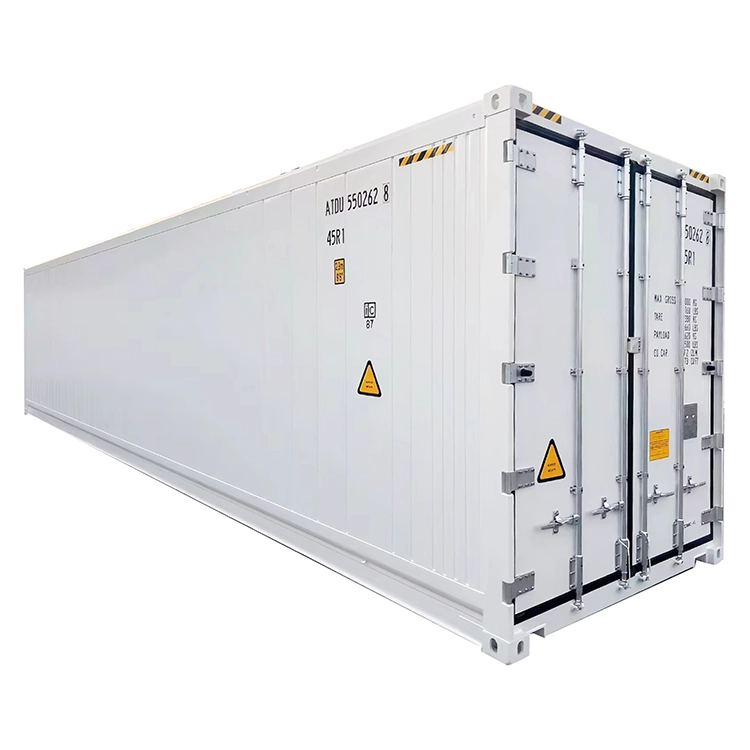
What Drives Energy Efficiency in a Container Cold Room for Green Vegetables
Several design and operational factors determine how much power a Container Cold Room for Green Vegetables consumes:
-
Insulation quality – Polyurethane panels with 100–150 mm thickness and high-density foam minimize cooling loss.
-
Refrigeration technology – Inverter compressors and EC fans reduce part-load energy use by 25–40% compared with fixed-speed systems.
-
Door design and air curtains – Frequent loading during harvest season is a major source of energy loss.
-
Control strategy – Precise temperature and humidity control prevents unnecessary compressor cycling.
-
Container condition – Marine-grade containers with sealed joints and thermal bridges minimized perform significantly better.
Typical Energy Consumption Benchmarks
The table below summarizes indicative consumption for a 20ft Container Cold Room for Green Vegetables operating at 2–8°C, based on Paulair project data and industry averages.
| Parameter | Standard System | High-Efficiency System (Paulair) |
|---|---|---|
| Daily energy consumption | 45–70 kWh | 30–45 kWh |
| Insulation thickness | 80–100 mm | 120–150 mm |
| Compressor type | Fixed-speed | Inverter-driven |
| Fan type | AC fans | EC fans |
| Annual energy savings | Baseline | 25–40% lower |
| Temperature stability | ±2°C | ±0.5°C |
Key Efficiency Features to Look For
When comparing suppliers, prioritize these technical specifications:
-
Inverter compressors with variable capacity control for partial-load efficiency.
-
EC evaporator and condenser fans that adjust speed to actual cooling demand.
-
High-density PU panels (≥40 kg/m³) with cam-lock joints for airtight assembly.
-
Smart controllers with remote monitoring and alarm functions.
-
LED lighting and low-heat fixtures inside the cold room.
-
Solar-ready or hybrid power options for off-grid farms and packing sites.
Paulair integrates all of these features as standard or optional configurations, helping growers and distributors lower electricity costs while maintaining optimal storage conditions for leafy greens, herbs, and other perishables.
Operational Practices That Improve Efficiency
Equipment alone does not guarantee low energy bills. These practices matter:
-
Pre-cool vegetables before loading whenever possible.
-
Keep door openings short and use strip curtains or air curtains.
-
Maintain 85–95% relative humidity to reduce product dehydration and compressor workload.
-
Schedule defrost cycles during low-ambient periods.
-
Clean condensers monthly to maintain heat exchange efficiency.
-
Monitor energy data through smart controllers and adjust setpoints seasonally.
Frequently Asked Questions
How much electricity does a Container Cold Room for Green Vegetables use per day? A typical 20ft Container Cold Room for Green Vegetables consumes 30–70 kWh per day depending on ambient temperature, insulation, door activity, and compressor technology; high-efficiency Paulair systems typically operate in the 30–45 kWh range.
Can a Container Cold Room for Green Vegetables run on solar power? Yes, a Container Cold Room for Green Vegetables can be configured with solar panels and battery storage or hybrid diesel-solar systems, and Paulair offers solar-ready designs suitable for remote farms and off-grid packing locations.
What maintenance keeps a Container Cold Room for Green Vegetables energy-efficient? Regular cleaning of condensers and evaporators, checking door seals, verifying refrigerant charge, calibrating sensors, and reviewing controller data are the key maintenance tasks that keep a Container Cold Room for Green Vegetables operating at peak efficiency.
Does insulation thickness affect the energy rating of a Container Cold Room for Green Vegetables? Absolutely—thicker, high-density polyurethane panels significantly reduce cooling loss, and upgrading from 80 mm to 120–150 mm insulation can lower energy consumption by 15–30% in a Container Cold Room for Green Vegetables.
Conclusion
A well-designed Container Cold Room for Green Vegetables can deliver substantial energy savings without compromising freshness. By choosing inverter refrigeration, high-density insulation, EC fans, and smart controls—and by following disciplined operating practices—you can reduce power costs by 25–40%. Paulair combines these technologies in modular, container-based cold storage solutions engineered for growers, packers, and distributors worldwide.
Contact us today to request a customized energy assessment and quote for your Container Cold Room for Green Vegetables project, and let our engineers design a system that matches your capacity, climate, and budget requirements.