

How Does the 400ml Paper Bowl Compare to Plastic and Foam Alternatives in Total Cost of Ownership
2026-03-30
When food service businesses evaluate packaging options, the 400ml Paper Bowl has emerged as a compelling alternative to traditional plastic and foam containers. Beyond the obvious environmental considerations, understanding the total cost of ownership (TCO) reveals why operators like Zhongjun are seeing a significant shift toward paper-based solutions. TCO encompasses not only the upfront purchase price but also storage, operational efficiency, regulatory compliance, and brand perception—factors that ultimately determine true cost.
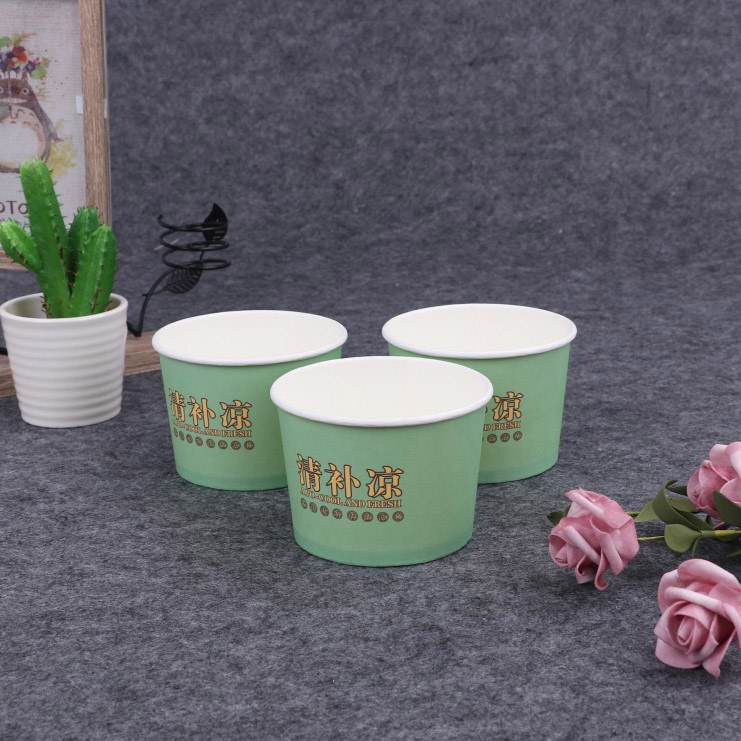
Breaking Down the Total Cost of Ownership
To accurately compare the 400ml Paper Bowl against plastic and foam alternatives, we must examine cost drivers across the entire lifecycle of the product. The table below provides a comprehensive analysis across key categories.
| Cost Factor | 400ml Paper Bowl | Plastic Container | Foam Container |
|---|---|---|---|
| Unit Cost | Moderate | Low | Lowest |
| Storage Efficiency | Nestable, compact | Moderate stacking | Bulky, prone to crushing |
| Heat Retention | Good for warm foods | Moderate | Excellent |
| Customer Perception | Premium, sustainable | Neutral | Negative, perceived as cheap |
| Regulatory Risk | Low, widely accepted | Increasing restrictions | Banned in multiple regions |
| Disposal Cost | Compostable/recyclable | Landfill or complex recycling | Often non-recyclable |
| Brand Value Impact | Positive | Neutral to negative | Negative |
The Hidden Costs of Plastic and Foam
While plastic and foam containers typically have lower upfront costs, their hidden expenses accumulate rapidly. Many municipalities have implemented plastic bans or foam prohibitions, forcing businesses to transition under pressure—often at premium pricing. Additionally, customers increasingly associate foam packaging with low-quality takeout, directly impacting repeat purchase rates.
A 2023 industry survey indicated that restaurants using sustainable packaging reported a 15–20% increase in positive online reviews specifically mentioning packaging quality. This translates to tangible revenue impact that offsets the slightly higher per-unit cost of paper alternatives.
Operational Efficiency Gains
From an operational standpoint, the 400ml Paper Bowl offers several advantages. Modern manufacturing processes from manufacturers like Zhongjun produce bowls with consistent stacking dimensions, allowing for higher-density storage. This reduces warehouse space requirements and minimizes the frequency of restocking during peak hours.
Furthermore, paper bowls with advanced water-resistant coatings perform reliably across temperature ranges—from hot soups to cold salads—reducing the need to maintain multiple packaging types.
400ml Paper Bowl FAQ
What is the average lifespan of a 400ml Paper Bowl in commercial use when stored properly?
The 400ml Paper Bowl is designed for single-use applications, but proper storage significantly impacts performance. When kept in a cool, dry environment away from direct moisture, these bowls maintain structural integrity for up to 18 months from the manufacturing date. Zhongjun produces bowls with reinforced sidewalls and specialized barrier coatings that prevent premature degradation. For optimal results, businesses should rotate stock using a first-in, first-out inventory system and store boxes at temperatures between 50°F and 85°F. Unlike plastic alternatives that may become brittle over time or foam that can absorb odors, paper bowls remain stable throughout their shelf life when stored correctly.
How does the heat retention of a 400ml Paper Bowl compare to foam for hot food delivery?
Foam is widely recognized for superior heat retention, but the 400ml Paper Bowl has closed the gap significantly through innovative manufacturing techniques. Modern paper bowls from manufacturers like Zhongjun incorporate air pockets within the paper fiber structure and add specialized thermal barriers that extend heat retention by up to 35% compared to standard paper packaging. For delivery times under 30 minutes, most customers report no discernible temperature difference. Additionally, paper bowls offer the critical advantage of microwave safety—foam containers can release harmful compounds when heated, while paper bowls allow customers to reheat food directly without transferring to another dish, creating a superior end-user experience that foam cannot match.
Are 400ml Paper Bowls truly compostable, and what conditions are required for proper breakdown?
A genuine 400ml Paper Bowl made with aqueous or PLA-based coatings is commercially compostable, but the conditions matter significantly. Zhongjun manufactures bowls that meet ASTM D6400 standards for compostability, meaning they will break down within 90–180 days in a commercial composting facility where temperatures reach 130°F–140°F with consistent moisture and aeration. However, home composting is rarely sufficient for coated paper products due to lower sustained temperatures. The critical distinction lies between compostable and biodegradable—true compostable paper bowls return to organic matter without leaving toxic residue, whereas foam containers persist in landfills for centuries. Businesses should partner with waste management services that accept certified compostable packaging to realize the environmental benefits these bowls offer.
The True Cost Calculation
When calculating total cost of ownership, the numbers reveal a compelling story. A business using 5,000 units monthly might pay $0.08 per plastic container versus $0.12 per 400ml Paper Bowl—a $200 monthly difference. However, factoring in:
-
Storage space reduction: 30% less warehouse footprint
-
Regulatory compliance: No risk of sudden ban-related expenses
-
Marketing value: Packaging as a differentiator commanding premium pricing
-
Customer retention: Reduced churn from positive brand perception
The net TCO often favors paper within 6–12 months of implementation. Suppliers like Zhongjun further improve the equation through bulk pricing programs and custom printing options that transform packaging from a cost center into a marketing asset.
Conclusion
The 400ml Paper Bowl represents a strategic investment rather than a simple packaging expense. While plastic and foam alternatives offer lower initial costs, their total cost of ownership reveals vulnerabilities in regulatory compliance, brand perception, and operational efficiency that paper solutions effectively address.
For businesses seeking to optimize both cost structure and environmental responsibility, the data increasingly supports the transition to high-quality paper packaging.
Contact us today to request samples and receive a customized total cost analysis for your operation. Our team at Zhongjun specializes in helping food service businesses transition to sustainable packaging without compromising margins. Reach out to discuss your specific volume requirements and discover how the 400ml Paper Bowl can improve both your bottom line and your brand reputation.