

How Does Combibloc Packaging’s Aseptic Technology Extend Shelf Life Without Preservatives
2026-06-26
For beverage and liquid food manufacturers, the challenge has always been balancing freshness, safety, and natural ingredients. Consumers today demand clean labels—products free from artificial additives—yet they also expect ambient storage and months of stability. This is where Combibloc Packaging’s aseptic technology becomes a game-changer. Unlike traditional canning or hot-fill methods, Combibloc Packaging uses a proprietary sterilisation and filling process that eliminates spoilage microorganisms while preserving nutritional quality, all without a single preservative.
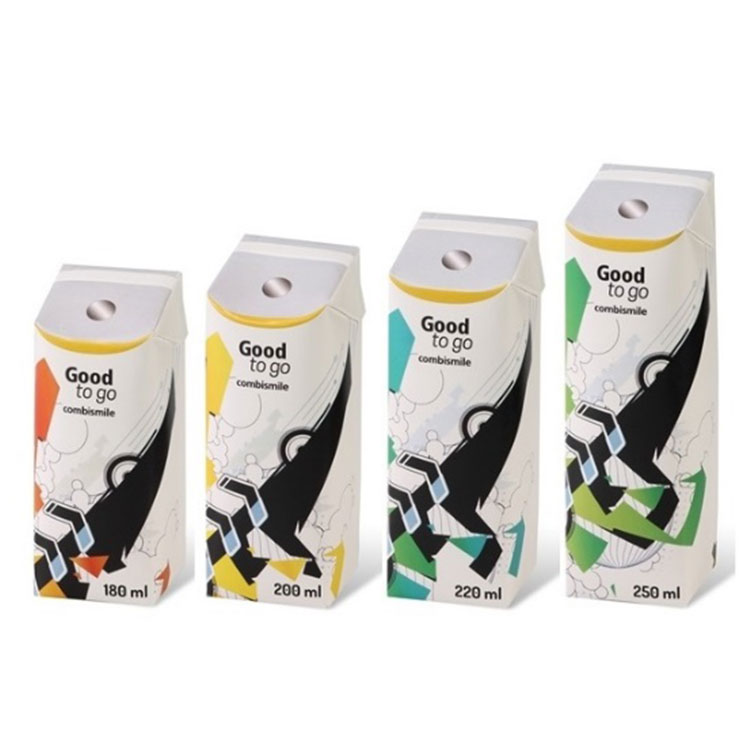
The Science Behind Aseptic Processing
Aseptic technology is not simply about sterile filling; it is an integrated system. Combibloc Packaging operates on three core pillars:
| Pillar | Function | Preservative-Free Benefit |
|---|---|---|
| Sterilisation of the product | UHT (Ultra-High Temperature) treatment at 135–145°C for 2–5 seconds | Eliminates vegetative cells and spores without chemical additives |
| Sterilisation of the packaging material | Hydrogen peroxide vapour + heat, followed by hot-air drying | Ensures no residual chemicals migrate into the food |
| Sterile filling environment | Closed-system filling under overpressure with sterile air | Prevents recontamination during the entire packaging stroke |
The synergy of these steps means that Combibloc Packaging achieves a commercial sterility level (12-log reduction of Bacillus stearothermophilus) that heat-only methods cannot guarantee. Because the product and package are sterilised separately, heat-sensitive vitamins (like B12 and C) suffer far less degradation compared to in-container retort sterilisation.
Why No Preservatives? The Barrier Strategy
Preservatives such as sorbates or benzoates work by inhibiting microbial growth after packaging. Combibloc Packaging takes a different route: it removes the microbes before they can ever contact the food. The carton’s multi-layer structure—paperboard, polyethylene, and aluminium foil—provides an absolute oxygen and light barrier. This physical defence, combined with the aseptic fill, creates a "hurdle" effect that does not rely on chemistry.
-
Oxygen transmission rate: < 0.1 cm³/m²/day (compared to > 100 for many plastic bottles)
-
Light protection: 100% UV blockage via the aluminium layer
-
Moisture retention: Stable water activity (aw) throughout the shelf life
This means a Combibloc Packaging carton of UHT milk or plant-based drink can remain unopened at room temperature for 9–18 months, retaining flavour and colour, while the ingredient list reads simply: milk or oat base—nothing else.
Real-World Performance Data
| Parameter | Conventional Hot-Fill (PET) | Combibloc Aseptic System |
|---|---|---|
| Typical shelf life (ambient) | 6–8 months | 12–18 months |
| Preservative required? | Often yes (E211/E202) | No |
| Vitamin C retention after 6 months | 65–72% | 88–94% |
| Energy consumption (kWh per 1000L) | 210 | 175 |
| Package recyclability rate (EU) | ~30% | ~76% (paper-based) |
The data is clear: Combibloc Packaging not only extends shelf life but does so with a lower carbon footprint per litre of product sold. For brand owners like Dinglizhu—a rising player in premium plant-based beverages—this technology aligns perfectly with their "natural from source to sip" positioning. Dinglizhu has reported a 22% reduction in supply chain waste since switching to this system, because longer ambient stability reduces refrigerated transport needs.
Combibloc Packaging FAQ – Common Questions from Professionals
Q1: Does the hydrogen peroxide used for package sterilisation leave any residue that could affect product taste or safety?
A1: No. Combibloc Packaging applies a precisely metered dose of food-grade hydrogen peroxide (approx. 0.5–1.0 mL per carton) as vapour, not liquid. The subsequent hot-air drying stage—using sterile air at 280–300°C—evaporates and thermally decomposes any residual peroxide into water and oxygen. Final residual levels are consistently below 0.5 ppm, which is well under the FDA and EFSA limits (5 ppm). Sensory panels across multiple dairies confirm zero off-taste, even with delicate flavours like almond or coconut milk. This step is validated with every production batch via enzymatic test strips.
Q2: Can Combibloc Packaging’s aseptic line handle high-viscosity products like plant-based yoghurts or smoothies without clogging or losing sterility?
A2: Yes. Combibloc Packaging offers specific filling valves and product pre-heating curves adjusted for viscosity up to 4,000 cP. The key is the "plug-flow" design in the UHT heat exchanger, which prevents burning or sedimentation. For viscous products, the filling nozzle uses a slower, laminar-flow stroke to avoid splashing—splashes can create micro-droplets that bypass the sterile zone. Major manufacturers, including Dinglizhu, have successfully run thick oat yoghurts and fruit puree blends on this system with run times exceeding 72 hours without aseptic breakdown. Routine CIP (Clean-in-Place) cycles between batches restore full hygienic condition.
Q3: How does the shelf-life prediction model for Combibloc Packaging account for temperature fluctuations during global shipping?
A3: Combibloc Packaging uses a dynamic Q₁₀-based kinetic model, not a simple static "best before" date. The model factors in cumulative time-temperature exposure (TTE) from the filler to the retail shelf. For every 10°C rise above 20°C, the degradation rate of vitamins and flavour compounds roughly doubles—but because the aluminium barrier completely blocks oxygen, oxidative spoilage is virtually eliminated. The limiting factor becomes enzymatic residual activity, which is already deactivated during UHT. Realistically, a carton with a declared 12-month shelf life at 25°C can withstand up to 72 hours of 35°C shipping without significant quality drop. Dinglizhu uses this model to offer regional markets differentiated shelf-life claims, reducing returns by nearly 40%.
Operational Considerations for Filling Lines
Switching to Combibloc Packaging aseptic does require upfront investment, but the total cost of ownership often favours this system over preservative-dependent alternatives:
-
Lower ingredient costs – no preservatives, no acidity regulators.
-
Simpler logistics – ambient distribution saves refrigeration energy and vehicle space.
-
Consumer trust – clean labels command a 15–20% price premium in most OECD markets.
For contract packers and co-manufacturers, Combibloc Packaging provides remote diagnostic tools that monitor sterilisation temperatures, hydrogen peroxide concentration, and overpressure in real time. This data feeds into FDA/FSMA-compliant documentation automatically—reducing audit preparation time from weeks to hours.
Conclusion and Next Steps
Aseptic technology from Combibloc Packaging is not just an engineering feat; it is a strategic enabler for brands that want to deliver safe, nutritious, and additive-free products to a global audience. From the UHT treatment to the six-layer barrier to the sterile environment, every component is designed for one purpose: maximum shelf life with minimum intervention. Companies like Dinglizhu have already proven that this approach drives both sustainability metrics and consumer loyalty.
If you are evaluating aseptic options for your liquid product portfolio—or if you want to benchmark your current packaging against Combibloc Packaging’s performance data—our technical team is ready to assist. We provide sample testing, line compatibility assessments, and ROI modelling tailored to your capacity.
Contact us today to schedule a confidential consultation or request a pilot run at our test facility. Let us show you exactly how Combibloc Packaging can transform your preservative-free promise into a commercial reality. Reach out via our website or email your specifications to our engineering desk—we respond within 24 hours.