

How Does an Open Top Container Improve Shipping Efficiency?
2026-06-02
Summary: Open Top Containers are specialized shipping solutions designed to accommodate oversized or irregular cargo that cannot fit into standard containers. This article explores their design, applications, advantages, limitations, and practical considerations for businesses seeking reliable shipping options. By understanding how Open Top Containers function, companies can optimize their logistics, reduce damage risk, and enhance supply chain efficiency.
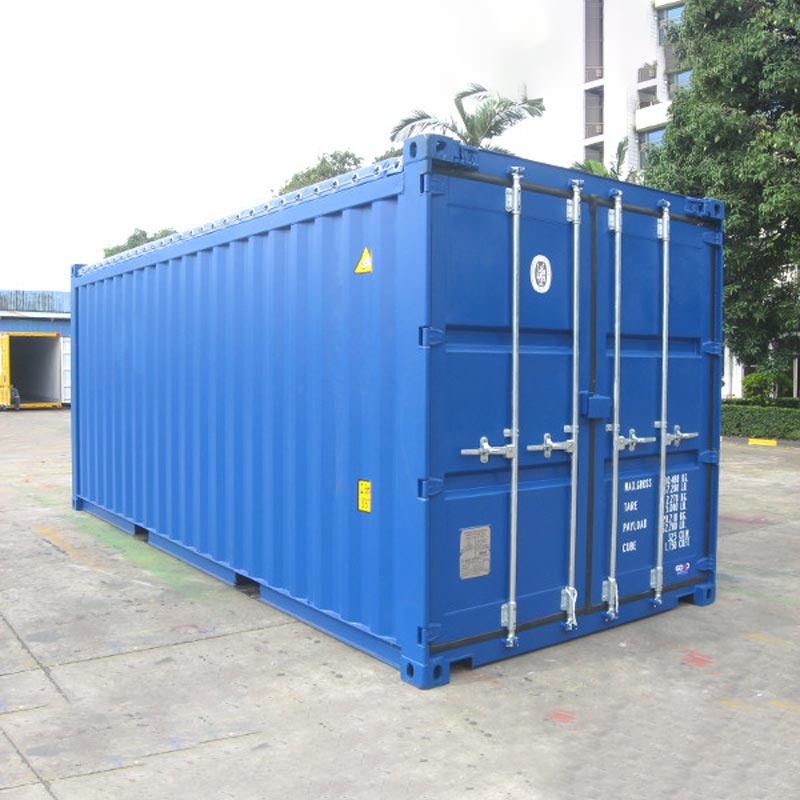
Table of Contents
- Introduction to Open Top Containers
- Design Features of Open Top Containers
- Common Applications
- Advantages
- Limitations
- Choosing the Right Open Top Container
- Frequently Asked Questions
- Conclusion and Next Steps
Introduction to Open Top Containers
Shipping oversized, heavy, or irregularly shaped cargo often presents challenges for businesses. Standard containers with rigid ceilings cannot accommodate certain types of goods. Open Top Containers (OTCs) offer a practical solution. These containers have removable tarpaulin covers instead of fixed roofs, allowing cargo to be loaded from above using cranes or forklifts. This flexibility makes them essential for industries such as construction, manufacturing, and logistics.
- Standard dimensions typically match 20ft or 40ft ISO containers.
- Roof flexibility allows for cargo exceeding standard container height.
- Durable construction ensures cargo protection during transport.
Design Features of Open Top Containers
Understanding the design features of Open Top Containers is key to selecting the right type for your cargo.
| Feature | Description | Benefit |
|---|---|---|
| Removable Tarpaulin Roof | Flexible cover that can be rolled back for top loading. | Allows easy loading of tall or oversized cargo. |
| Reinforced Corners and Walls | Strong steel frame ensures structural integrity. | Protects cargo during handling and transport. |
| Standardized Dimensions | Matches ISO 20ft or 40ft specifications. | Compatible with most shipping systems worldwide. |
| Drainage and Ventilation | Optional features to prevent water accumulation. | Maintains cargo quality and reduces risk of damage. |
Common Applications
Open Top Containers are widely used in industries that require specialized cargo handling.
- Construction Equipment: Cranes, bulldozers, and prefabricated components often exceed standard container height.
- Machinery: Industrial machines and parts are bulky and require top-loading access.
- Raw Materials: Lumber, steel pipes, and long sheets are easily accommodated by OTCs.
- Project Cargo: Large, irregular-shaped items for international projects benefit from flexible loading.
Advantages
Open Top Containers offer several key advantages for businesses dealing with non-standard cargo.
- Flexibility: Load oversized and irregularly shaped goods without modification.
- Efficiency: Easier top-loading reduces handling time and labor costs.
- Global Compatibility: ISO-standard design ensures smooth intermodal transport.
- Durability: Reinforced steel frames protect cargo during transit.
Limitations
Despite their benefits, Open Top Containers have some limitations to consider.
- Weather Protection: Tarpaulin roofs offer less protection against rain compared to closed containers.
- Loading Constraints: Top-loading equipment such as cranes may be required.
- Weight Restrictions: Overloading can compromise container integrity.
- Cost: OTCs are generally more expensive than standard containers due to specialized construction.
Choosing the Right Open Top Container
Selecting the right Open Top Container involves careful consideration of cargo type, transport route, and handling equipment.
- Assess cargo dimensions and weight to ensure container compatibility.
- Determine whether single or double tarpaulin covers are needed for protection.
- Check transportation regulations in countries of transit to avoid compliance issues.
- Work with a reliable supplier to ensure timely delivery and quality assurance.
For businesses aiming to optimize their shipping processes, Container Family provides high-quality Open Top Containers designed for maximum efficiency and reliability. Learn more about our products and contact us for personalized support.
Frequently Asked Questions
-
Q: Can Open Top Containers be stacked like standard containers?
A: Yes, they can be stacked, but care must be taken to ensure weight limits are not exceeded due to the flexible roof. -
Q: What types of cargo are unsuitable for OTCs?
A: Highly sensitive cargo requiring complete weather protection may not be ideal unless additional coverings are used. -
Q: How is the tarpaulin secured during transit?
A: Tarpaulins are fastened using steel bows, side straps, and locking mechanisms to prevent shifting or damage. -
Q: Are Open Top Containers suitable for international shipping?
A: Absolutely. They meet ISO standards and are compatible with most international shipping systems.
Conclusion and Next Steps
Open Top Containers provide an essential solution for transporting oversized, irregular, or heavy cargo that cannot fit in standard containers. Their flexible design, durability, and global compatibility make them indispensable for industries ranging from construction to manufacturing. By understanding the design features, applications, advantages, and limitations of OTCs, businesses can make informed decisions and optimize their logistics operations.
To explore the best Open Top Container options for your business and ensure safe, efficient, and cost-effective shipping, trust Container Family. Visit our product page and contact us today for expert guidance and personalized support.