

How Does a Platform Container Improve Transportation and Storage Efficiency?
2026-08-20
Article Summary:
A platform container is an important logistics solution designed to improve cargo handling efficiency, transportation flexibility, and storage convenience. Compared with traditional container solutions, platform containers provide stronger adaptability for oversized, heavy, and irregularly shaped cargo. This article explains how Platform Container technology works, why businesses choose it, what challenges it solves, and how Container Family provides reliable solutions for modern logistics needs.
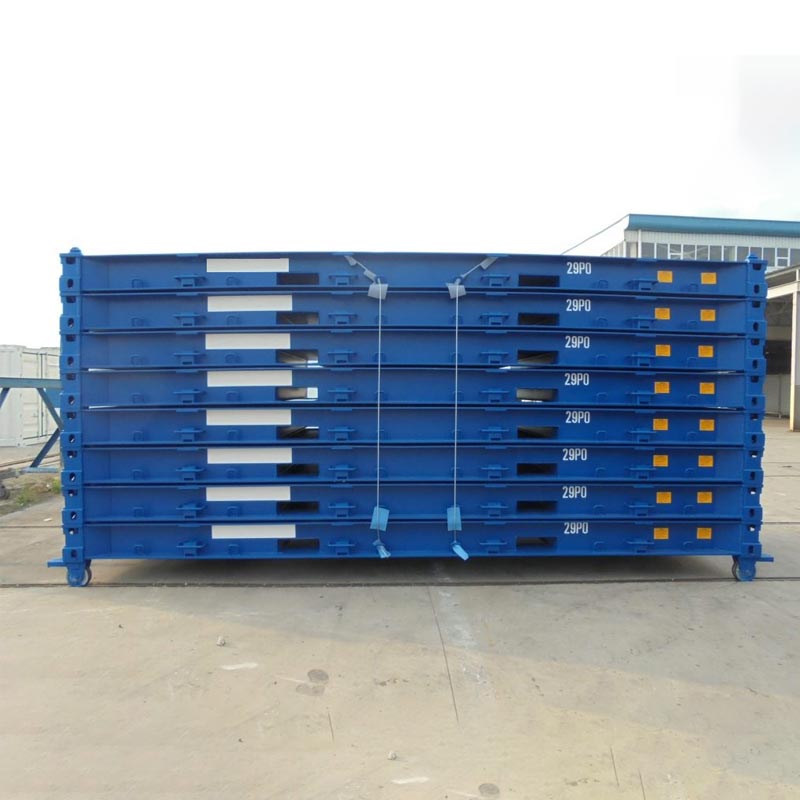
Table of Contents
- Introduction to Platform Container
- What Problems Can Platform Containers Solve?
- How Does a Platform Container Work?
- Key Advantages of Using Platform Containers
- Common Applications of Platform Containers
- How to Choose the Right Platform Container?
- Platform Container vs Traditional Container
- Maintenance Tips for Long-Term Performance
- Frequently Asked Questions
- Conclusion
Introduction to Platform Container
Modern logistics industries require equipment that can handle increasingly complex transportation requirements. Standard containers are effective for many types of goods, but they may not provide enough flexibility when transporting oversized machinery, construction materials, steel products, special equipment, or irregular cargo. This is where a Platform Container becomes an essential solution.
A Platform Container is a specialized container structure that provides a strong and stable platform without traditional side walls or a roof. This open design allows companies to load cargo that exceeds the dimensions of standard containers while maintaining the benefits of containerized transportation systems.
With the growth of global trade, manufacturers, shipping companies, and logistics providers are looking for safer and more efficient ways to move special cargo. Container Family develops platform container solutions that help customers improve loading efficiency, reduce transportation difficulties, and achieve better supply chain management.
What Problems Can Platform Containers Solve?
Many companies face transportation challenges when dealing with cargo that cannot fit inside conventional containers. These problems can increase operating costs, create loading difficulties, and delay delivery schedules.
Platform containers are designed to solve several common logistics problems:
| Common Challenge | How Platform Container Helps |
|---|---|
| Oversized cargo cannot fit into standard containers | The open platform design allows transportation of large and irregular items. |
| Difficult loading and unloading processes | The flat structure provides easier access from different directions. |
| Limited transportation flexibility | Platform containers can adapt to various cargo sizes and shapes. |
| High transportation costs | Better space utilization reduces unnecessary handling and additional equipment requirements. |
| Cargo safety concerns | Strong steel structures provide reliable support during transportation. |
By addressing these challenges, platform containers help businesses create a more flexible and efficient transportation process.
How Does a Platform Container Work?
A platform container works by providing a reinforced base structure that supports cargo during transportation. Unlike closed containers, it focuses on strength, accessibility, and adaptability rather than enclosed protection.
The main working process includes several important steps:
- Cargo Placement: Heavy or oversized goods are positioned directly on the platform surface using cranes, forklifts, or other lifting equipment.
- Cargo Securing: Special locking points and fastening systems help keep goods stable during transportation.
- Transportation: The container can be moved through different transportation methods, including ships, trains, and trucks.
- Unloading: The open structure makes unloading faster and more convenient.
The design principle behind a platform container is simple: provide maximum loading flexibility while maintaining structural strength and compatibility with international transportation systems.
Key Advantages of Using Platform Containers
Choosing the right transportation equipment directly affects logistics efficiency. Platform containers offer several advantages for industries requiring specialized cargo transportation.
1. Flexible Cargo Handling
One of the biggest advantages of a platform container is its ability to handle cargo that traditional containers cannot accommodate. The open structure allows loading from the top, side, or other accessible positions, making it suitable for complex transportation tasks.
2. Strong Structural Performance
Platform containers are manufactured with durable materials and reinforced structures to support heavy loads. This makes them suitable for industrial equipment, machinery components, and construction-related products.
3. Improved Transportation Efficiency
Because platform containers can transport specialized cargo without excessive modification, companies can reduce preparation time and improve overall supply chain efficiency.
4. Better Space Utilization
The design allows businesses to maximize available transportation space, especially when dealing with oversized goods that require customized solutions.
5. Cost Reduction
By reducing the need for additional packaging structures or special transportation arrangements, platform containers can help businesses control logistics expenses.
Common Applications of Platform Containers
Platform containers are widely used across different industries because of their adaptability and strength.
| Industry | Application Examples |
|---|---|
| Manufacturing | Transportation of machinery parts, industrial equipment, and production components. |
| Construction | Moving steel structures, building materials, and large construction components. |
| Energy Industry | Handling transformers, power equipment, and heavy engineering products. |
| Shipbuilding | Transporting large metal components and specialized parts. |
| International Logistics | Supporting multimodal transportation between ports, railways, and roads. |
Because every industry has different transportation requirements, customized platform container designs can provide more suitable solutions.
How to Choose the Right Platform Container?
Selecting an appropriate platform container requires careful consideration of cargo characteristics, transportation methods, and operating conditions.
- Load Capacity: Ensure the container can safely support the maximum cargo weight.
- Size Requirements: Choose dimensions according to cargo length, width, and height.
- Material Quality: High-quality steel and reliable manufacturing processes improve service life.
- Transportation Compatibility: Confirm compatibility with trucks, ships, and railway systems.
- Customization Options: Consider whether additional features are needed for special cargo.
Working with an experienced manufacturer helps customers select a platform container that matches their specific logistics requirements.
Platform Container vs Traditional Container
Understanding the differences between platform containers and traditional containers helps businesses choose the most suitable transportation solution. While standard containers are ideal for general cargo, platform containers provide greater flexibility for special transportation requirements.
| Feature | Platform Container | Traditional Container |
|---|---|---|
| Structure Design | Open flat platform structure without full enclosure | Fully enclosed structure with walls and roof |
| Cargo Compatibility | Suitable for oversized, heavy, and irregular cargo | Mainly designed for standard-sized packaged goods |
| Loading Method | Allows flexible loading from multiple directions | Usually requires front or side access depending on design |
| Space Flexibility | Provides better adaptability for special cargo dimensions | Limited by internal container dimensions |
| Main Application | Industrial equipment, machinery, large components | Consumer products, packaged goods, general cargo |
Although traditional containers remain an important part of global transportation, platform containers fill the gap when cargo size, weight, or shape creates challenges. For companies handling specialized shipments, selecting the correct container type can significantly improve operational efficiency.
Maintenance Tips for Long-Term Platform Container Performance
A high-quality platform container is designed for long-term use, but proper maintenance is essential to ensure safety, durability, and reliable performance. Regular inspections can prevent structural problems and extend the service life of the equipment.
Recommended maintenance practices include:
- Inspect the Steel Structure Regularly: Check the platform frame, connection points, and supporting components for signs of damage or deformation.
- Prevent Corrosion: Keep the surface clean and apply protective treatments when necessary, especially when containers operate in humid or marine environments.
- Check Locking and Securing Components: Make sure cargo fixing points remain strong and functional before every transportation operation.
- Monitor Load Conditions: Avoid exceeding the recommended loading capacity, as excessive weight may affect structural performance.
- Perform Professional Inspections: Periodic evaluations by qualified technicians help identify hidden issues before they become serious problems.
Proper maintenance not only improves safety but also helps companies reduce replacement costs and maintain stable logistics operations.
Why Choose Container Family for Platform Container Solutions?
Selecting a reliable supplier is an important step when investing in specialized transportation equipment. Container Family focuses on providing practical container solutions that meet different customer requirements.
The company understands that every industry faces unique transportation challenges. From oversized industrial components to specialized logistics projects, customers need containers that provide strength, adaptability, and dependable performance.
Container Family emphasizes product quality, functional design, and customer-oriented solutions. Through professional manufacturing capabilities and attention to application requirements, the company helps customers improve transportation efficiency and simplify complex cargo handling processes.
A suitable platform container is not only a transportation tool but also an important part of an efficient supply chain system. Choosing the right design can help businesses achieve safer transportation, faster loading operations, and better resource utilization.
Frequently Asked Questions About Platform Container
What is a Platform Container?
A Platform Container is a specialized container with an open flat platform structure designed for transporting oversized, heavy, or irregular cargo that cannot fit into standard enclosed containers.
What types of cargo can be transported with a Platform Container?
Platform containers are commonly used for machinery, construction materials, industrial equipment, steel structures, large components, and other special cargo requiring flexible loading space.
How does a Platform Container improve logistics efficiency?
By providing easier loading access, stronger support capacity, and better adaptability for different cargo sizes, platform containers reduce handling difficulties and improve transportation efficiency.
Can Platform Containers be customized?
Yes. Depending on cargo requirements, transportation methods, and operational environments, platform containers can be customized with different dimensions, structures, and supporting features.
Are Platform Containers suitable for international shipping?
Yes. Platform containers are widely used in international logistics because their design supports transportation by sea, road, and rail systems when properly configured.
Conclusion
As global logistics continues to develop, companies need transportation solutions that provide greater flexibility and reliability. A Platform Container offers an effective way to transport oversized and special cargo while maintaining efficiency and safety throughout the supply chain.
Compared with conventional containers, platform containers provide improved loading convenience, stronger structural capability, and better adaptability for complex transportation needs. They are especially valuable for industries requiring the movement of heavy equipment, industrial products, and irregular cargo.
Container Family is committed to providing dependable platform container solutions designed around customer requirements. By choosing a suitable container design, businesses can overcome transportation challenges, improve operational performance, and build a more efficient logistics system.
If you are looking for a reliable Platform Container solution that matches your cargo transportation needs, contact us today and let Container Family provide professional support and customized solutions for your business.