

How Does a Butter Container Improve Food Storage?
2026-03-09
Summary: Butter containers are more than simple storage solutions; they preserve freshness, enhance kitchen organization, and offer convenience for daily use. This article explores the features, materials, and benefits of using a high-quality butter container, with practical guidance for selection and usage.
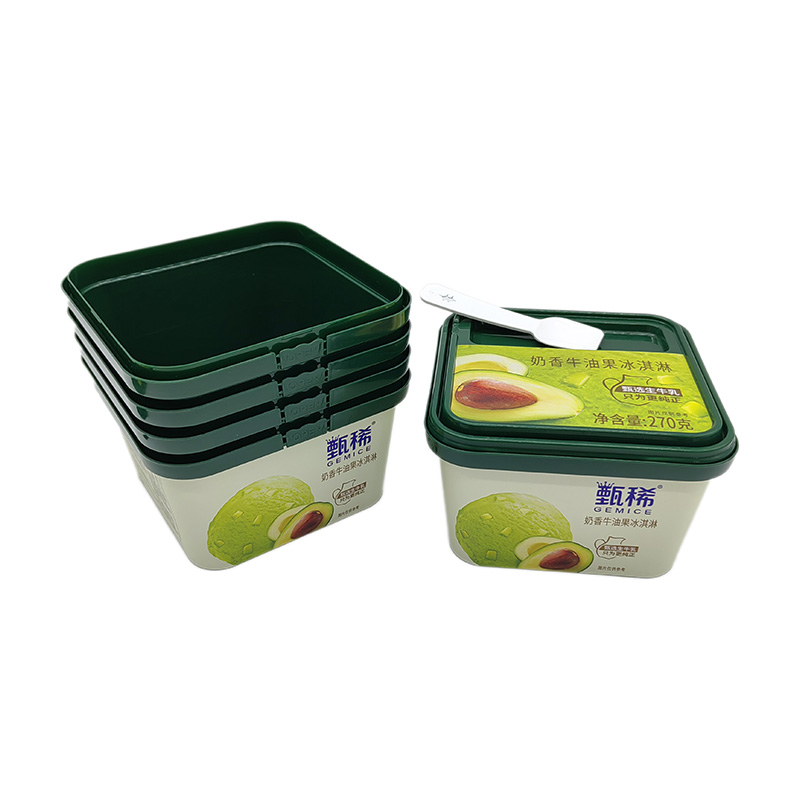
Table of Contents
- Introduction
- Benefits of Butter Containers
- Types and Materials
- Size Options and Selection
- Care and Maintenance
- Frequently Asked Questions
- Conclusion
Introduction
In modern kitchens, keeping butter and other spreads fresh while avoiding mess is a common challenge. Butter containers are specifically designed to provide airtight storage, prevent contamination, and maintain the ideal texture and taste of butter. High-quality products, such as those from Quanzhou Manatee Packaging Technology Co., Ltd., use food-grade materials and durable construction, ensuring both safety and longevity.
Benefits of Butter Containers
- Freshness Preservation: Airtight lids prevent exposure to air, keeping butter soft and flavorful for longer periods.
- Hygienic Storage: Containers reduce contamination risks from dust, odors, and kitchen debris.
- Organized Kitchen: Stackable and uniform containers simplify pantry and fridge organization.
- Convenience: Easy-to-open designs allow quick access during cooking or spreading.
- Portability: Lightweight and durable containers can be taken outdoors for picnics or events.
Types and Materials
Butter containers are available in a variety of materials and designs. Choosing the right type depends on your specific needs:
| Material | Features | Best Use |
|---|---|---|
| PP (Polypropylene) | Food-grade, lightweight, durable, reusable | Daily home use, refrigerator storage, and outdoor activities |
| PET (Polyethylene Terephthalate) | Clear design, high clarity, resistant to cracking | Showcasing contents, commercial packaging |
| HDPE (High-Density Polyethylene) | Sturdy, chemical-resistant, suitable for long-term storage | Bulk butter storage, professional kitchens |
Size Options and Selection
Butter containers come in a range of sizes to meet different household and commercial needs. Popular options include:
- Small (250ml–500ml): Ideal for daily kitchen use or single-family households.
- Medium (500ml–1000ml): Perfect for regular cooking and baking activities.
- Large (1000ml–2000ml): Suitable for commercial kitchens or bulk storage.
Choosing the right size ensures you maintain freshness without frequent replacements, saving both time and cost.
Care and Maintenance
Proper maintenance of your butter container extends its life and ensures food safety:
- Hand wash or dishwasher-safe, depending on manufacturer instructions.
- Avoid using abrasive scrubbers to maintain surface integrity.
- Store in a cool, dry place when not in use.
- Regularly check for cracks or wear to prevent leaks or contamination.
Frequently Asked Questions
Q1: Can I use a butter container for other spreads?
A1: Yes, most containers are versatile enough to store margarine, peanut butter, cream cheese, and other soft spreads safely.
Q2: Are butter containers safe for freezing?
A2: Many high-quality PP and HDPE containers are freezer-safe, but always check manufacturer specifications for temperature limits.
Q3: How do I prevent butter from sticking to the container?
A3: Lightly greasing the inside or using a liner can reduce sticking, and regularly cleaning the container also helps.
Conclusion
Investing in a well-designed butter container improves kitchen efficiency, maintains food quality, and adds convenience for everyday use. Products from Quanzhou Manatee Packaging Technology Co., Ltd. combine durable, food-safe materials with versatile designs, catering to households and commercial kitchens alike. For customized butter containers and bulk orders, contact us today to find the perfect solution for your storage needs.