
How Do Soup Paper Bowl Linings Affect Recyclability
2026-01-27
In the sustainable packaging landscape, the Soup Paper Bowl is a popular choice for businesses and consumers alike. However, a common and critical question arises: how does its lining affect end-of-life processing? As a leader in innovative foodservice solutions, Zhongjun is committed to transparency and educating our clients on the true recyclability of our products. Understanding the interplay between bowl linings and recycling systems is key to making genuinely eco-conscious decisions.
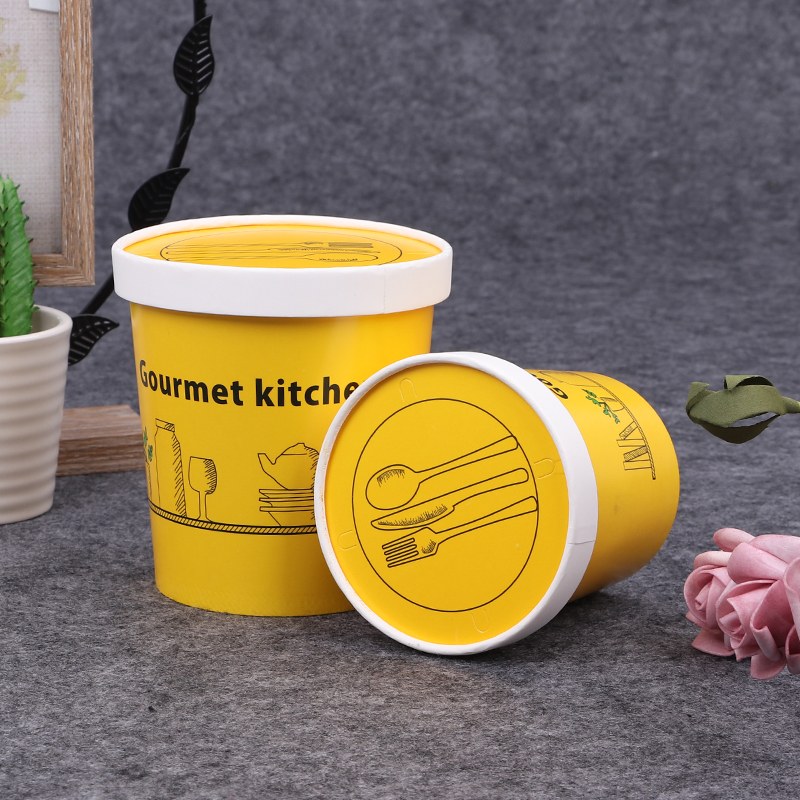
The primary function of a lining is to create a barrier against moisture and grease, preventing the Soup Paper Bowl from becoming soggy. The type of lining material directly dictates its recyclability. Here’s a breakdown of common linings:
-
Polyethylene (PE) Plastic Film: The most common lining. It provides excellent leak resistance.
-
Polylactic Acid (PLA) Bio-plastic: A plant-based lining often derived from corn starch.
-
Wax Coating: A traditional barrier, though less common for hot soup applications.
The recyclability of a Soup Paper Bowl hinges on how these linings are processed at material recovery facilities (MRFs).
| Lining Type | Recyclable in Standard Paper Stream? | Key Processing Consideration |
|---|---|---|
| Polyethylene (PE) | Typically No | The plastic lining must be separated from the paper fiber. This is often not feasible in standard municipal recycling, leading to contamination. |
| Polylactic Acid (PLA) | No (in standard stream) | Requires industrial composting facilities (not backyard composting) to biodegrade. It contaminates both paper and plastic recycling streams. |
| Aqueous Barrier | Yes (in many areas) | This water-based coating bonds with paper fibers and can be repulped in most paper recycling mills, making it a highly recyclable option. |
Soup Paper Bowl FAQ
Q: Can I recycle all paper bowls with my cardboard?
A: No, not all paper bowls are created equal. Most Soup Paper Bowl products with standard plastic or PLA linings should not be placed in curbside paper recycling. They require specialized separation processes. Always check the manufacturer's end-of-life instructions, like those provided by Zhongjun on our product specifications.
Q: What happens if I put a lined bowl in the wrong bin?
A: This is a major form of recycling contamination. A single non-recyclable Soup Paper Bowl can spoil an entire batch of otherwise good paper pulp at the recycling mill, leading to increased waste and processing costs. When in doubt, it is better to dispose of it in the general waste stream to avoid contaminating recyclables.
Q: What is Zhongjun doing to improve bowl recyclability?
A: At Zhongjun, we invest in and champion aqueous barrier technology for our premium line of Soup Paper Bowl products. This innovative lining provides the necessary performance for hot and oily foods while being fully compatible with standard paper recycling pulp mills, ensuring a true circular lifecycle for our packaging.
Choosing the right Soup Paper Bowl is about balancing functionality with environmental responsibility. By selecting bowls designed for end-of-life recovery, like those with recyclable aqueous barriers from Zhongjun, your business can significantly reduce its packaging footprint. We believe that true sustainability comes from innovation that doesn’t compromise performance.
Contact us today to explore our range of high-performance, recyclable Soup Paper Bowl solutions and receive a sample kit tailored to your foodservice needs. Let Zhongjun be your partner in achieving both operational excellence and genuine sustainability goals.