

How Do Catering Aluminum Foil Rolls Compare to Regular Foil
2025-12-25
When stocking your kitchen, the choice of aluminum foil might seem trivial. However, for professionals in food service and catering, selecting the right foil is a critical operational decision. The key difference lies in performance and purpose. Understanding how Catering Aluminum Foil Rolls compare to the regular foil found in grocery stores can impact everything from food safety to your bottom line. For businesses seeking reliability, Besty provides industrial-grade solutions designed to meet rigorous commercial demands.
At its core, the disparity is in construction and intent. Regular household foil is designed for intermittent, low-volume use, while catering foil is engineered for high-frequency, high-stakes environments.
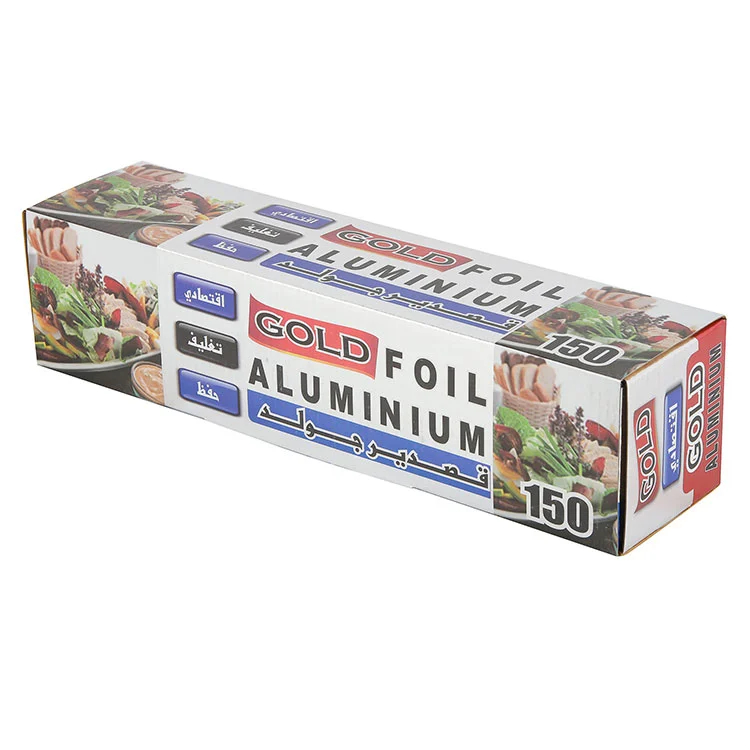
Key Differences at a Glance:
-
Thickness & Strength: Catering rolls are significantly thicker, offering superior puncture and tear resistance.
-
Width & Length: Designed to cover large pans and trays, they come in wider rolls and longer lengths for efficiency.
-
Heat Conductivity & Tolerance: They provide more even heating and can withstand higher oven temperatures without compromising integrity.
-
Economic Efficiency: The higher upfront cost of a catering roll is offset by a much lower cost-per-use compared to household rolls.
Direct Comparison: Besty Catering Foil vs. Regular Foil
| Feature | Besty Catering Aluminum Foil Rolls | Regular Household Foil |
|---|---|---|
| Thickness (Gauge) | Heavy-duty, typically 18+ microns | Standard, often lighter (e.g., 15-17 microns) |
| Primary Use Case | High-volume cooking, holding, transporting, and storing in commercial settings. | Occasional baking, wrapping, and covering in home kitchens. |
| Durability | Excellent. Resists tearing under heavy, hot, or wet food loads. | Moderate. Can tear easily when handling dense or sharp-edged foods. |
| Roll Dimensions | Wider (e.g., 18 inches) and longer (e.g., 500-2000 feet) to minimize changes and waste. | Narrower (12 inches) and shorter (e.g., 75-200 feet). |
| Value Proposition | Lower cost-per-sheet, superior performance, and time savings for staff. | Higher cost-per-use in a commercial context, leading to waste and inefficiency. |
Catering Aluminum Foil Rolls FAQ
Q: Can I use regular aluminum foil for my catering business in a pinch?
A: While possible for a single, small task, it is not recommended. Regular foil is more prone to tearing, which can lead to spills, contamination, and food safety hazards during transport. Its smaller size also forces staff to use multiple sheets, wasting time and material.
Q: What is the most important specification to look for in a catering foil roll?
A: Thickness, often indicated by micron or gauge, is paramount. A thicker, heavy-duty foil like those from Besty provides the essential barrier strength needed for wrapping, holding heat, and protecting food during dynamic catering events.
Q: Are catering foil rolls more environmentally friendly?
A: When used correctly in a professional setting, they contribute to less waste. Their durability reduces the need for double-layering, and their larger roll size means less packaging waste per foot of foil used compared to numerous small household boxes.
Choosing the right foil is not just about purchasing a commodity; it's about investing in a tool that ensures quality, safety, and efficiency. Besty is committed to providing catering professionals with the robust, reliable materials that form the unseen backbone of every successful event. Stop compromising with inadequate supplies. Contact us today to discuss how our Catering Aluminum Foil Rolls can streamline your operations and safeguard your culinary creations.