

How Can Oral Liquid Bottles Improve Medication Safety and Convenience?
2026-03-27
Summary: Oral liquid bottles are essential in the pharmaceutical and healthcare industry, providing accurate dosage, secure storage, and ease of administration. This article explores their design, benefits, materials, and practical applications, aiming to guide manufacturers, pharmacists, and consumers in choosing the right oral liquid bottles for safety, convenience, and cost-efficiency.
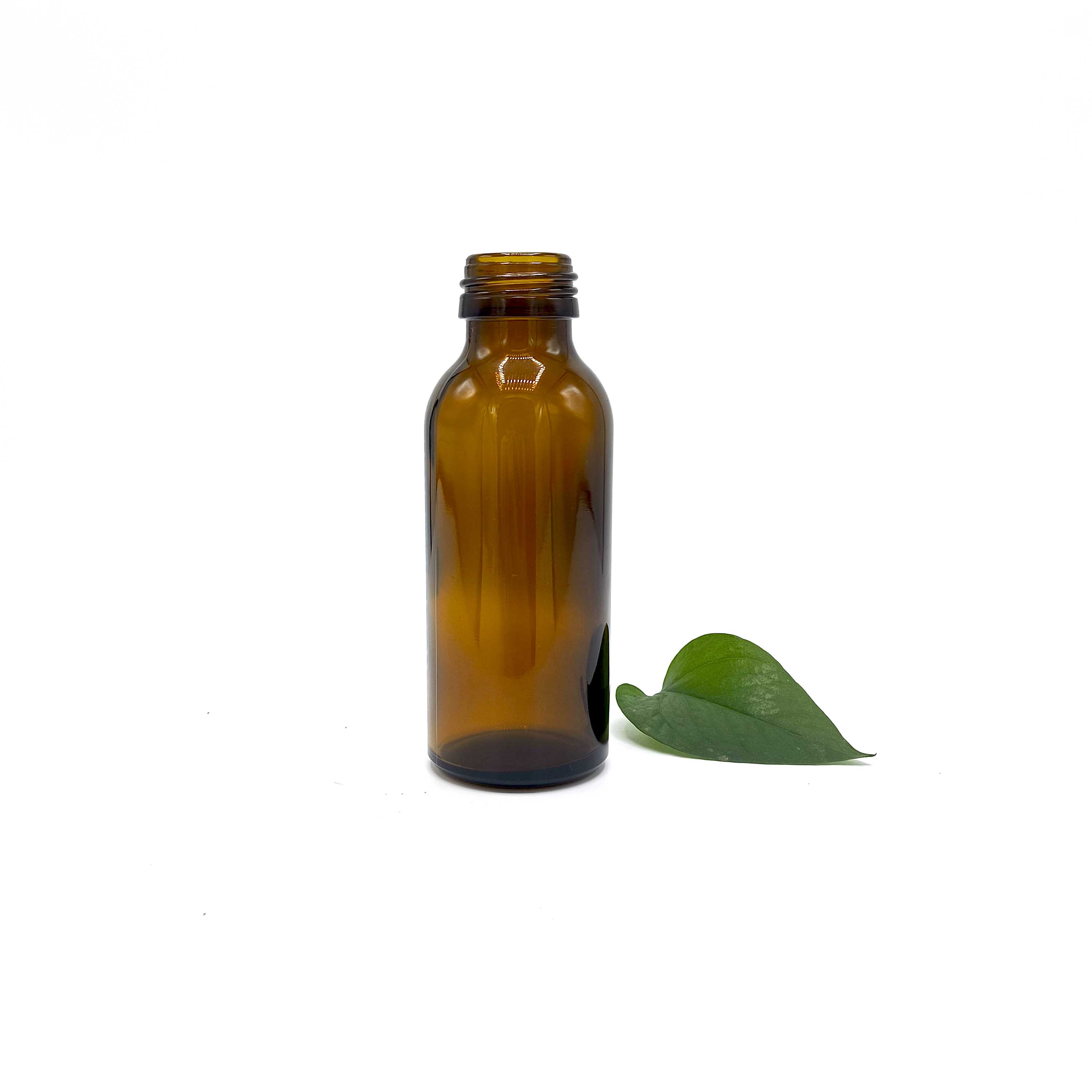
Table of Contents
- Importance of Oral Liquid Bottles
- Types and Materials
- Design Features for Safety and Convenience
- Common Customer Pain Points
- Guide to Choosing the Right Oral Liquid Bottle
- Frequently Asked Questions
Importance of Oral Liquid Bottles
Oral liquid bottles play a critical role in medication management. Their primary functions include:
- Accurate Dosage: Helps patients measure exact amounts of liquid medicine, preventing overdosing or underdosing.
- Safe Storage: Protects liquid medicines from contamination, evaporation, and environmental factors like light and air.
- Ease of Administration: Designed for convenient pouring or using droppers, making medication accessible for all age groups.
For healthcare providers and consumers, these bottles are more than just containers—they are a part of patient safety protocols and compliance with pharmaceutical standards.
Types and Materials
Oral liquid bottles are available in various types, each tailored to specific needs. The main categories include:
| Type | Material | Common Use | Advantages |
|---|---|---|---|
| Plastic PET Bottles | Polyethylene Terephthalate (PET) | Syrups, vitamin solutions | Lightweight, durable, chemical-resistant |
| HDPE Bottles | High-Density Polyethylene (HDPE) | Liquid medicines prone to oxidation | Strong, opaque, protects from light |
| Glass Bottles | Borosilicate Glass | High-purity medications, essential oils | Chemically inert, recyclable, premium appearance |
Each material has distinct benefits, so selection depends on the type of medication, storage requirements, and budget considerations.
Design Features for Safety and Convenience
Modern oral liquid bottles are designed to minimize risks and maximize usability. Key features include:
- Child-Resistant Caps: Prevent accidental ingestion by children while remaining accessible for adults.
- Graduated Markings: Accurate volume measurements for precise dosing.
- Tamper-Evident Seals: Provides assurance that the medicine has not been opened or altered.
- Ergonomic Shapes: Easy to hold and pour, even for elderly or patients with reduced hand strength.
- Compatibility with Droppers or Spoons: Enhances administration flexibility.
Common Customer Pain Points
Despite their benefits, customers often face challenges with oral liquid bottles:
- Leaking Bottles: Poor sealing or low-quality materials may cause leakage.
- Hard-to-Read Labels: Small fonts or faded printing make dosage instructions difficult to follow.
- Incompatibility with Accessories: Some bottles do not fit standard droppers or measuring caps.
- Environmental Concerns: Non-recyclable materials increase environmental footprint.
Kangbo addresses these pain points by manufacturing durable, user-friendly oral liquid bottles that comply with safety standards and provide convenience for both patients and healthcare providers.
Guide to Choosing the Right Oral Liquid Bottle
When selecting an oral liquid bottle, consider the following factors:
- Material: Choose PET or HDPE for cost-effective solutions or glass for premium applications.
- Size and Volume: Ensure the bottle matches the prescribed dosage and usage frequency.
- Sealing and Safety: Look for tamper-evident and child-resistant features.
- Labeling: Clear, legible, and moisture-resistant labels improve user experience.
- Environmental Impact: Consider recyclable or biodegradable options if sustainability is a priority.
By evaluating these factors, manufacturers and healthcare providers can minimize errors, reduce waste, and improve patient satisfaction.
Frequently Asked Questions
-
Q1: Can oral liquid bottles be reused?
A1: It depends on the material and intended use. Glass bottles can often be sterilized and reused, while single-use plastic bottles are not recommended for reuse. -
Q2: How do I ensure the bottle maintains medicine quality?
A2: Store bottles in a cool, dry place, away from direct sunlight. Choose bottles with proper sealing and light protection if necessary. -
Q3: Are child-resistant caps mandatory?
A3: For prescription medicines, child-resistant caps are highly recommended and often required by regulations. -
Q4: Can Kangbo customize bottles for specific brands?
A4: Yes, Kangbo offers customized designs, labeling, and volumes to meet different client needs.
Oral liquid bottles are more than simple containers—they are essential tools for safe and efficient medicine administration. Kangbo specializes in producing high-quality bottles that address common customer concerns while ensuring reliability and user convenience.
Discover our full range of products and contact us today to find the perfect oral liquid bottles for your needs.