

How Can a Folding Container Improve Transportation Efficiency and Reduce Operating Costs?
2026-05-26
Global logistics, temporary construction projects, mining camps, emergency housing, and modular commercial facilities all require flexible and cost-effective infrastructure solutions. Traditional shipping containers are durable, but they also create major challenges related to storage, transportation expenses, and empty return logistics.
A Folding Container offers a practical alternative by combining mobility, durability, and rapid deployment into a compact structure that significantly reduces shipping and operational costs. Companies looking to improve efficiency while maintaining structural reliability are increasingly adopting folding container systems for a wide range of industries.
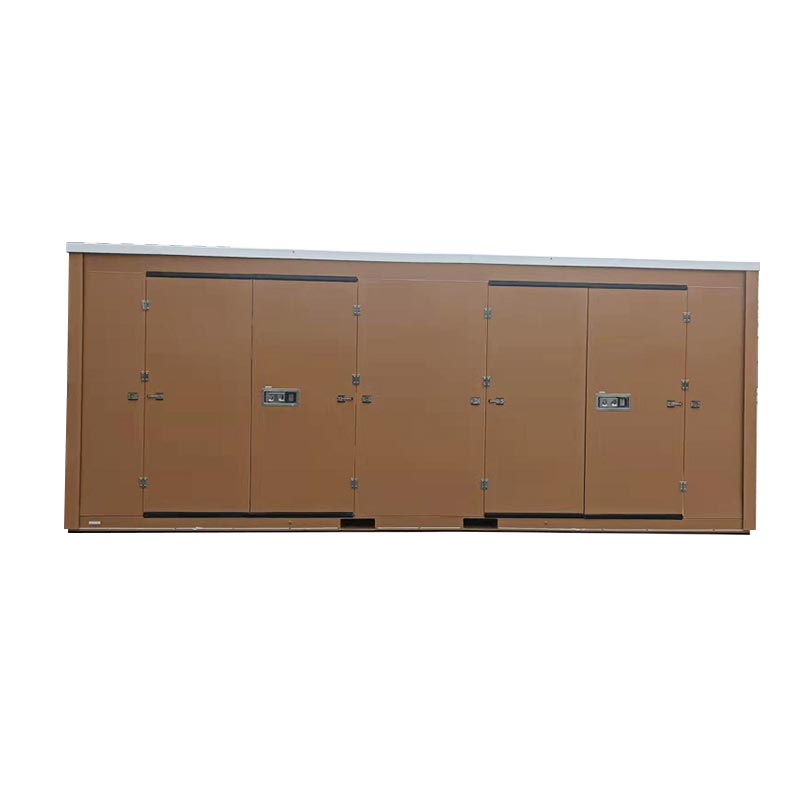
In this article, we will explore how folding containers work, their advantages, common applications, important purchasing considerations, and why businesses worldwide are turning to Container Family for dependable modular container solutions.
Article Summary
- What a Folding Container is
- How folding container systems operate
- Main benefits for transportation and storage
- Industries using folding containers
- Key factors when selecting a supplier
- Cost-saving advantages compared to standard containers
- Frequently asked questions
Table of Contents
- What Is a Folding Container?
- How Does a Folding Container Work?
- Main Advantages of Folding Containers
- Folding Container vs Traditional Container
- Industries That Benefit from Folding Containers
- Important Factors Before Purchasing
- Why Container Family Is a Reliable Choice
- FAQ
- Conclusion
What Is a Folding Container?
A Folding Container is a modular container structure designed to collapse into a compact form for easier transportation and storage. Unlike traditional containers that maintain a fixed size during transport, folding containers can be folded down when not in use, allowing multiple units to be stacked together efficiently.
These containers are commonly used as:
- Temporary office spaces
- Worker accommodations
- Portable housing units
- Emergency shelters
- Construction site facilities
- Storage solutions
- Commercial modular buildings
Folding container technology dramatically improves shipping efficiency because more units can fit into one truck or shipping container compared to conventional modular structures.
How Does a Folding Container Work?
Folding containers are engineered with hinged wall panels, reinforced steel frames, and integrated folding mechanisms. The roof, side walls, and floor are designed to collapse inward while maintaining structural integrity during repeated use.
The deployment process is straightforward:
- The folded container arrives at the destination.
- The roof and wall panels are unfolded.
- The frame is secured into position.
- Electrical and interior systems are connected if required.
- The container becomes fully operational within a short period.
Most folding containers can be installed rapidly using minimal labor and basic lifting equipment, making them ideal for projects requiring quick deployment.
Main Advantages of Folding Containers
Businesses often struggle with rising logistics costs, limited storage space, and inefficient transportation methods. Folding containers directly address these challenges.
| Advantage | Business Benefit |
|---|---|
| Compact Folding Design | Reduces transportation volume significantly |
| Fast Installation | Saves labor and setup time |
| Reusable Structure | Long-term cost efficiency |
| Durable Steel Frame | Suitable for harsh environments |
| Flexible Layout Options | Adaptable for different industries |
| Easy Relocation | Ideal for temporary projects |
Reduced Transportation Costs
One of the biggest advantages of a folding container is transportation efficiency. Traditional container houses occupy full space even when empty. Folding containers collapse into a compact configuration, allowing multiple units to be transported together.
This means:
- Lower shipping expenses
- Reduced fuel consumption
- Fewer transport trips
- Lower loading and unloading costs
- Better warehouse space utilization
For international logistics and large-scale projects, these savings can become substantial over time.
Fast Deployment for Time-Sensitive Projects
Construction companies, disaster relief organizations, and mining operations often face strict project deadlines. Traditional building methods may require weeks or months before facilities become operational.
Folding containers provide immediate infrastructure solutions because they can be assembled quickly on-site. Some models are ready for use within hours.
This rapid deployment capability helps organizations:
- Start operations faster
- Reduce labor dependency
- Minimize project delays
- Improve operational flexibility
Excellent Durability and Structural Strength
Despite their collapsible design, high-quality folding containers are built with strong galvanized steel structures and weather-resistant materials.
Quality folding containers are engineered to withstand:
- Heavy rain
- Strong wind conditions
- Frequent transportation
- Corrosion exposure
- Long-term outdoor use
Properly manufactured units maintain their structural stability even after repeated folding and unfolding cycles.
Folding Container vs Traditional Container
| Feature | Folding Container | Traditional Container |
|---|---|---|
| Transportation Efficiency | High | Low |
| Storage Space Requirement | Minimal | Large |
| Installation Speed | Very Fast | Moderate |
| Mobility | Excellent | Limited |
| Operational Flexibility | High | Medium |
| Long-Term Relocation Suitability | Excellent | Less Efficient |
Industries That Benefit from Folding Containers
Folding container systems are now widely used across many sectors because of their flexibility and mobility.
Construction Industry
- Temporary offices
- Worker dormitories
- Site storage facilities
Mining and Energy Projects
- Remote workforce accommodations
- Portable administration buildings
- Equipment storage units
Emergency Relief Operations
- Rapid disaster housing
- Medical support stations
- Temporary command centers
Commercial Applications
- Retail kiosks
- Mobile showrooms
- Temporary event spaces
Important Factors Before Purchasing a Folding Container
Choosing the right folding container supplier is critical for long-term performance and safety.
Here are some key considerations:
| Factor | Why It Matters |
|---|---|
| Material Quality | Ensures durability and corrosion resistance |
| Structural Engineering | Improves safety and load-bearing capability |
| Waterproof Performance | Protects interior equipment and occupants |
| Insulation Options | Enhances comfort in extreme climates |
| Transportation Design | Determines logistics efficiency |
| Supplier Experience | Ensures reliable manufacturing standards |
Why More Businesses Choose Container Family
Container Family has become a trusted manufacturer in the modular container industry by delivering reliable folding container solutions designed for practical business needs.
The company focuses on:
- Stable structural performance
- Efficient folding systems
- High transportation efficiency
- Custom modular solutions
- Strict manufacturing quality control
- Global project support
Whether customers need temporary construction housing, modular office spaces, or portable accommodation systems, Container Family provides flexible solutions suitable for various industries and environments.
Common Customer Pain Points Solved by Folding Containers
| Customer Challenge | Folding Container Solution |
|---|---|
| High shipping costs | Compact folding transportation design |
| Slow project setup | Rapid installation system |
| Limited storage space | Stackable folded units |
| Frequent relocation needs | Easy transportation and redeployment |
| Temporary infrastructure demands | Flexible modular applications |
FAQ
Are folding containers durable enough for long-term use?
Yes. High-quality folding containers are manufactured with reinforced steel structures and protective coatings designed for repeated use and long-term outdoor operation.
How many folding containers can fit into one shipping load?
Depending on the model and dimensions, multiple folded units can typically be transported together, significantly improving logistics efficiency compared to standard container units.
Can folding containers be customized?
Yes. Many manufacturers, including Container Family, offer customization options such as insulation, electrical systems, interior layouts, windows, doors, and sanitary facilities.
Are folding containers suitable for extreme climates?
Proper insulation and weatherproof materials allow folding containers to operate effectively in hot, cold, rainy, or windy environments.
How long does installation take?
Installation time varies depending on the configuration, but many folding containers can be deployed within several hours using minimal equipment.
Conclusion
Folding containers are transforming the modular building and transportation industry by providing a highly efficient, flexible, and cost-effective solution for modern infrastructure demands. Their compact transportation design, rapid deployment capability, and long-term durability make them ideal for construction, mining, emergency response, and commercial applications.
As businesses continue searching for ways to reduce operational expenses while improving mobility and efficiency, folding container systems are becoming an increasingly valuable investment.
If you are looking for reliable and professionally manufactured folding container solutions, Container Family can provide customized products tailored to your project requirements. Contact us today to discuss your project needs and discover how folding containers can improve your operational efficiency while reducing overall costs.