

How Can a Folding Container Improve Modern Storage and Transportation Efficiency?
2026-07-14
Article Summary
With the rapid development of global logistics, warehousing, retail, and industrial supply chains, businesses are constantly looking for smarter solutions to reduce costs, optimize space utilization, and improve operational flexibility. A Folding Container has become an increasingly popular choice because it combines durability, reusability, and space-saving advantages in one practical storage solution.
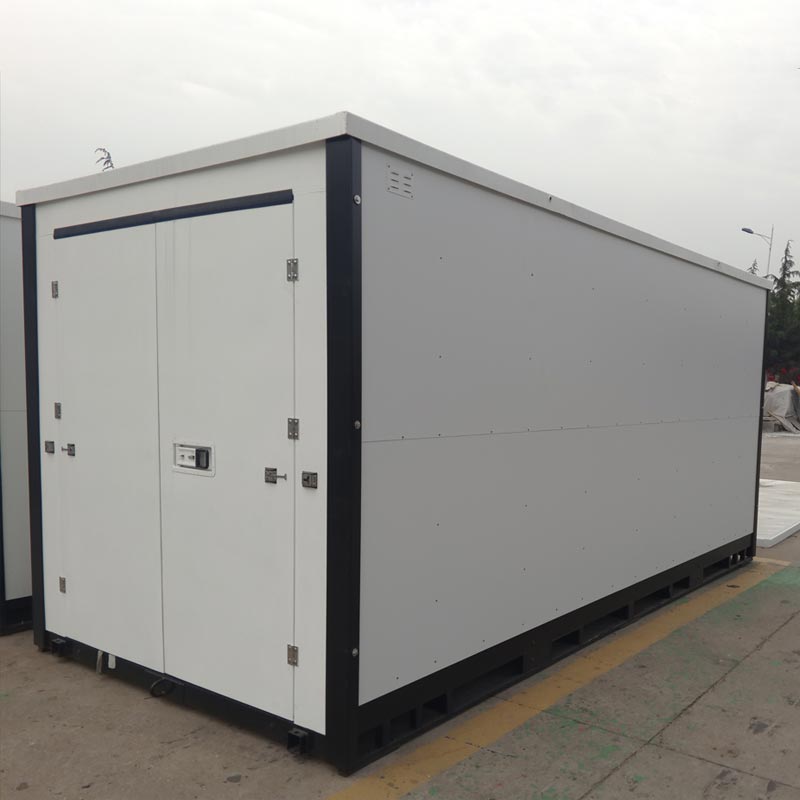
Unlike traditional containers that occupy the same volume whether empty or loaded, folding containers can be collapsed when not in use, significantly reducing return transportation costs and storage requirements. This article explores how folding containers solve common challenges faced by businesses, including warehouse space limitations, transportation expenses, environmental concerns, and operational efficiency.
Container Family provides reliable folding container solutions designed to support various industries with high-quality manufacturing, flexible customization options, and practical applications for modern supply chains.
Table of Contents
- 1. Introduction: Why Folding Containers Are Becoming Essential
- 2. Common Problems with Traditional Storage Containers
- 3. How Folding Containers Solve Business Challenges
- 4. Applications of Folding Containers Across Industries
- 5. Key Features to Consider When Choosing a Folding Container
- 6. Folding Container vs Traditional Container Comparison
- 7. Maintenance Tips for Long-Term Folding Container Performance
- 8. Frequently Asked Questions About Folding Containers
- 9. Conclusion
Article Outline
- The growing demand for flexible storage and logistics solutions
- The limitations of conventional containers
- The space-saving and cost-reduction benefits of folding containers
- Industrial applications and customization possibilities
- Important factors when selecting a folding container supplier
- Frequently asked questions about folding container usage
1. Introduction: Why Folding Containers Are Becoming Essential
Modern supply chains require flexibility. Companies today must manage unpredictable market demands, increasing transportation costs, and limited warehouse capacity. Traditional storage containers can provide strength and protection, but they often create challenges when empty units need to be transported or stored.
A Folding Container offers an innovative approach by allowing the structure to be folded into a compact form when it is not being used. This simple but effective design helps businesses maximize space, reduce logistics expenses, and improve overall operational efficiency.
From automotive parts and electronic components to retail products and industrial materials, folding containers provide a reusable solution that adapts to different business environments.
2. Common Problems with Traditional Storage Containers
Before understanding the value of folding containers, it is important to identify the problems businesses commonly experience with conventional storage solutions.
| Common Challenge | Impact on Business |
|---|---|
| Large empty container volume | Requires more warehouse space and increases storage expenses |
| High return transportation costs | Empty containers consume valuable transportation capacity |
| Limited flexibility | Difficult to adapt to changing inventory requirements |
| Frequent replacement needs | Creates higher operational costs over time |
| Waste from disposable packaging | Increases environmental pressure and material consumption |
These challenges encourage companies to search for reusable and space-efficient alternatives. Folding containers address these issues by offering a practical design that supports repeated usage.
3. How Folding Containers Solve Business Challenges
Space Optimization Through Collapsible Design
The most significant advantage of a Folding Container is its ability to reduce volume when empty. Traditional containers maintain their original size, while folding containers can be collapsed into a smaller footprint.
This feature allows warehouses to store more empty containers in the same area. Companies can also transport more folded units during return shipments, improving truck utilization and reducing unnecessary transportation expenses.
Lower Transportation Costs
Transportation efficiency directly affects business profitability. Empty container movement is often unavoidable in manufacturing and distribution networks, but folding containers help minimize wasted space.
- More empty containers can be transported in a single shipment.
- Fewer return trips are required.
- Logistics planning becomes easier and more flexible.
- Fuel consumption and transportation expenses can be reduced.
Reusable and Durable Performance
High-quality folding containers are designed for repeated handling. They are manufactured with durable materials that can withstand industrial environments, frequent loading and unloading, and long-term circulation.
For companies seeking sustainable packaging alternatives, reusable folding containers provide a practical way to reduce dependence on disposable packaging materials.
Flexible Storage Solutions
Different industries have different storage requirements. Folding containers can be customized according to product dimensions, loading capacity, access requirements, and transportation conditions.
Container Family focuses on providing folding container solutions that help customers achieve better space management and improved supply chain performance.
4. Applications of Folding Containers Across Industries
Folding containers are widely used in industries where efficient storage, transportation, and product protection are important.
| Industry | Application Examples |
|---|---|
| Automotive Manufacturing | Storage and transportation of automotive components, spare parts, and assemblies |
| Electronics Industry | Protection and movement of precision components and electronic products |
| Retail and Distribution | Efficient warehouse organization and product circulation |
| Agriculture | Transportation of agricultural products and reusable packaging needs |
| Industrial Manufacturing | Handling raw materials, tools, and finished products |
| Logistics Companies | Improving transportation efficiency and reducing empty return costs |
Because folding containers are adaptable and reusable, they have become an important solution for businesses looking to improve supply chain efficiency.
5. Key Features to Consider When Choosing a Folding Container
Selecting the right folding container requires careful consideration of several factors. A reliable container should not only provide storage capacity but also support long-term operational needs.
- Material Quality: Strong materials ensure durability and resistance to repeated use.
- Load Capacity: The container should match the weight requirements of transported products.
- Folding Mechanism: Smooth folding and unfolding operations improve workplace efficiency.
- Customization Options: Different industries may require special dimensions, doors, or internal structures.
- Safety Design: Stable structures help protect products during transportation.
- Supplier Experience: Professional manufacturers provide better quality control and technical support.
6. Folding Container vs Traditional Container Comparison
| Feature | Folding Container | Traditional Container |
|---|---|---|
| Space Efficiency | Excellent when folded | Requires full storage space |
| Transportation Efficiency | Reduces empty transport volume | Higher empty transportation costs |
| Reuse Capability | Designed for repeated circulation | Depends on container type |
| Storage Management | Flexible and space-saving | Requires more warehouse area |
| Long-Term Cost | Lower operational expenses | Higher storage and logistics costs |
7. Maintenance Tips for Long-Term Folding Container Performance
Proper maintenance helps maximize the service life of folding containers and ensures consistent performance.
- Regularly inspect folding joints and connection points.
- Remove dirt and debris that may affect folding operations.
- Avoid exceeding the recommended loading capacity.
- Store folded containers in dry and suitable environments.
- Repair damaged components promptly to prevent further issues.
With proper usage and maintenance, folding containers can provide reliable service for many years and deliver better return on investment.
8. Frequently Asked Questions About Folding Containers
Q1: What is a Folding Container?
A Folding Container is a reusable storage and transportation container designed with a collapsible structure. It can be folded when empty to save space and unfolded when needed for loading.
Q2: Why are folding containers better for logistics?
Folding containers improve logistics efficiency because they reduce empty transportation volume, optimize warehouse space, and support repeated use.
Q3: Can folding containers be customized?
Yes. Folding containers can often be customized according to product size, loading requirements, access methods, and industry-specific applications.
Q4: Are folding containers suitable for industrial use?
Yes. Many industries use folding containers for manufacturing, distribution, automotive parts, electronics, and other applications requiring durable reusable storage solutions.
Q5: How long can a folding container last?
The service life depends on material quality, usage conditions, maintenance practices, and operating environment. High-quality folding containers are designed for long-term repeated circulation.
9. Conclusion
As businesses continue to focus on efficiency, cost control, and sustainable operations, Folding Containers have become an effective solution for modern storage and transportation challenges. Their collapsible structure, reusable design, and flexible applications make them valuable for companies across multiple industries.
Choosing a professional supplier is essential to ensure product reliability, customization capability, and long-term performance. Container Family provides practical folding container solutions designed to help businesses optimize logistics operations and improve storage efficiency.
If you are looking for durable, flexible, and cost-effective folding container solutions for your business needs, contact Container Family today. Our professional team is ready to provide customized solutions and support your global storage and transportation requirements. Contact us to learn more.