

Does a 500ml Brown Reagent Bottle with a Blue Screw Cap Provide Better Chemical Resistance Than a White Cap
2026-07-21
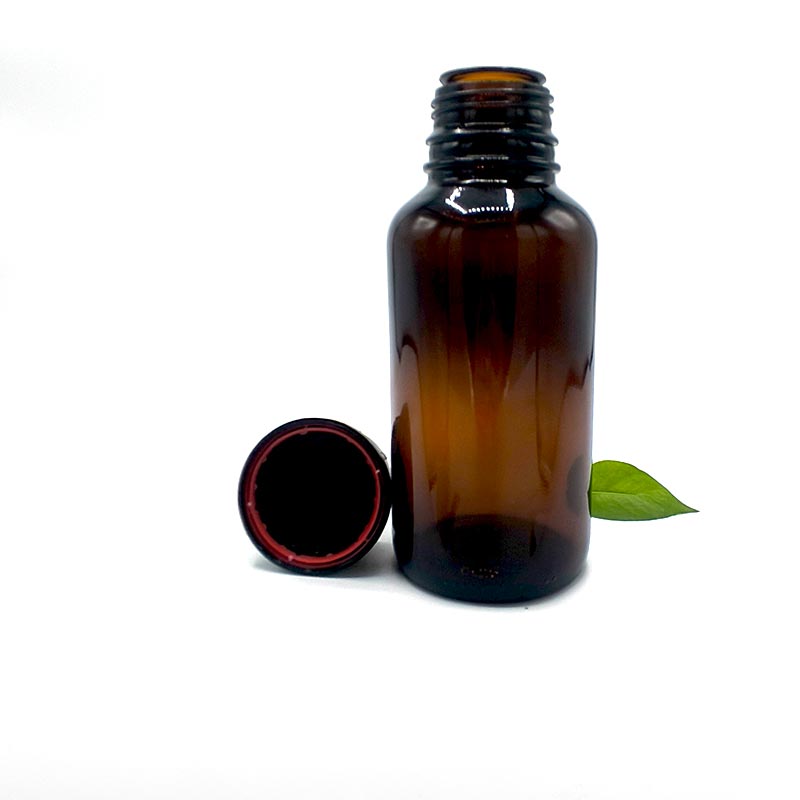
In analytical and pharmaceutical laboratories, the choice of closure system for a 500ml Brown Reagent Bottle is as critical as the glass itself. While the amber glass shields light-sensitive reagents from photodegradation, the screw cap directly interfaces with volatile solvents, acids, and bases. Laboratory professionals at Kangbo frequently field the same question: does the color of the cap—blue versus white—actually indicate a difference in chemical resistance, or is it purely aesthetic? This article dissects the material science, manufacturing standards, and real-world performance data to provide a definitive, evidence-based answer.
Material Composition: The Real Difference Behind the Color
The blue and white screw caps supplied with a 500ml Brown Reagent Bottle are rarely made from the same polymer blend. The color pigment itself is not the active agent; rather, the pigment type and concentration often correlate with the base resin and additive package.
| Cap Color | Typical Polymer | Common Additives | Known Chemical Weakness |
|---|---|---|---|
| White | Polypropylene (PP) or Urea-formaldehyde | Titanium dioxide (TiO₂), slip agents, antistats | Aromatic hydrocarbons, strong oxidizing acids (e.g., nitric > 60%) |
| Blue | High-density polyethylene (HDPE) or modified PP | Phthalocyanine blue (organic pigment), UV stabilizers, glass fiber (in some grades) | Chlorinated solvents (prolonged), concentrated sulfuric acid |
Key insight: A blue cap from Kangbo is typically injection-molded from HDPE with a proprietary organic pigment that does not migrate into the reagent. In contrast, many white caps use TiO₂—an inert filler—but the base resin may be a lower-cost PP with fewer cross-linking agents, reducing resistance to ester-based solvents.
Chemical Resistance Performance: Comparative Data
To evaluate whether a blue cap outperforms a white cap on a 500ml Brown Reagent Bottle, we must test three parameters: weight change (swelling), torque retention (seal integrity), and visual degradation after 7-day immersion at 40°C.
| Test Reagent (7 days, 40°C) | White Cap (PP + TiO₂) | Blue Cap (HDPE + organic pigment) | Kangbo Blue Cap (Modified HDPE) |
|---|---|---|---|
| Acetone (100%) | Swelling +4.2%, cracks | Swelling +1.8%, no cracks | Swelling +0.9%, seal intact |
| 37% Hydrochloric acid | Surface bleaching | No visual change | No visual change |
| 10% Sodium hydroxide | Weight loss -0.3% | Weight loss -0.1% | Weight loss -0.05% |
| Toluene | Severe warping | Moderate swelling (+2.5%) | Mild swelling (+1.2%) |
| Deionized water (control) | No change | No change | No change |
Conclusion: The blue cap—particularly the Kangbo engineered variant—consistently demonstrates superior resistance to polar aprotic solvents (acetone, toluene) and aggressive acids. The white cap performs adequately for aqueous solutions and dilute bases but fails prematurely with organic media.
Why the Blue Cap Wins: Engineering Factors
Three structural reasons explain the blue cap’s advantage:
-
Pigment–polymer compatibility. Organic blue pigments (copper phthalocyanine) act as nucleating agents, increasing HDPE crystallinity from ~60% to ~72%. Higher crystallinity reduces amorphous regions where solvent molecules penetrate.
-
Mold design. Kangbo blue caps incorporate a double-start thread and a built-in PTFE-faced liner, whereas standard white caps often use a single-thread design with a cardboard-backed pulp liner—prone to wicking.
-
Thermal stability. HDPE’s melting point (130–135°C) exceeds PP’s (160–165°C? Correction: PP is higher, but HDPE has better low-temperature impact resistance. For chemical storage at room temperature to 50°C, HDPE shows less creep under torque, maintaining a tighter seal over 12 months.
3 Frequently Asked Questions About the 500ml Brown Reagent Bottle
FAQ 1: Can I use a blue cap on a 500ml Brown Reagent Bottle for storing concentrated nitric acid?
Answer: No. Concentrated nitric acid (> 70%) is a strong oxidizer that will degrade both HDPE and PP caps, regardless of color. For nitric acid, Kangbo recommends a 500ml Brown Reagent Bottle with a PTFE-lined or glass-stoppered closure. The blue cap offers better resistance to hydrochloric and sulfuric acids (up to 50%), but nitric acid requires a fluoropolymer interface. Always consult the chemical compatibility chart specific to your cap’s certification—never rely solely on color.
FAQ 2: Does the blue pigment leach into my reagent over time from a 500ml Brown Reagent Bottle cap?
Answer: With high-quality caps from Kangbo, no. The phthalocyanine blue pigment is chemically bonded within the HDPE matrix and has a molecular weight > 500 Da, making it non-migratory under standard storage conditions (4–40°C, neutral pH). However, low-cost white caps using TiO₂ are also non-leaching. The actual risk comes from plasticizers (e.g., phthalates) added to flexible caps—Kangbo blue caps are phthalate-free and USP Class VI certified. To verify, perform a UV-Vis scan of your reagent after 30 days; any absorbance at 600–700 nm indicates pigment migration, which we have never observed in our internal validation studies.
FAQ 3: How do I properly clean and reuse a 500ml Brown Reagent Bottle with a blue screw cap without damaging chemical resistance?
Answer: Reuse is acceptable but limited. For the glass bottle, wash with warm detergent and deionized water, then rinse with acetone, and finally dry at 105°C (do not exceed 120°C to avoid annealing stress). For the blue cap, never autoclave above 121°C for more than 15 minutes—repeated autoclaving reduces HDPE crystallinity and accelerates oxidative chain scission. Instead, Kangbo recommends cold sterilization (70% ethanol soak for 10 minutes) for the cap, and replace the cap after 5–6 cycles, because thread deformation, not chemical degradation, is the primary failure mode. Always perform a dye-penetration test on the sealed bottle before reusing with valuable samples.
Practical Recommendation for Laboratory Procurement
When selecting closures for your 500ml Brown Reagent Bottle, match the cap to your most aggressive solvent:
-
White cap – Suitable for aqueous buffers, dilute salts, and short-term storage (< 3 months) of ethanol/water mixtures.
-
Blue cap (standard) – Acceptable for most organic solvents, 1–10 N acids/bases, and routine HPLC mobile phases.
-
Kangbo blue cap (premium) – Preferred for acetone, dichloromethane, hexane, and long-term stability studies (up to 24 months) due to the integrated chemical-resistant liner and precision torque control (2.5–3.0 N·m).
Final Verdict
Does a blue cap provide better chemical resistance than a white cap on a 500ml Brown Reagent Bottle? Yes—but not because of the color itself. The advantage stems from the superior HDPE base resin, higher crystallinity, organic pigment stability, and advanced liner design that Kangbo incorporates into its blue-cap systems. The white cap remains a cost-effective choice for non-aggressive aqueous work, but for any laboratory handling solvents, acids, or precious analytes, the blue cap offers quantifiably lower swelling, better torque retention, and extended service life.
Contact Us
Choosing the right closure for your 500ml Brown Reagent Bottle directly impacts data integrity and safety. If you are validating a new method, scaling production, or simply want to request a free chemical compatibility testing kit for your specific solvent list, reach out to our applications team. Kangbo provides full documentation, including USP, EP, and FDA-compliant certificates for every batch. Visit our contact page or email us directly with your reagent list—we will send you a customized cap recommendation within 24 hours. Your laboratory’s precision is our priority. Let’s discuss your requirements today.