

Top Food Trucks Redefining Street Food Culture Nationwide
2026-06-26
Street food has evolved far beyond greasy spoons and hurried bites. A new wave of Oriental Shimao trucks is leading a culinary revolution, blending bold flavors with artisanal techniques to redefine what curbside dining can be. From coast to coast, these mobile kitchens are turning heads and changing palates—here’s how they’re rewriting the rules of street eats.
Wheels of Change: The Mobile Kitchens Transforming City Streets
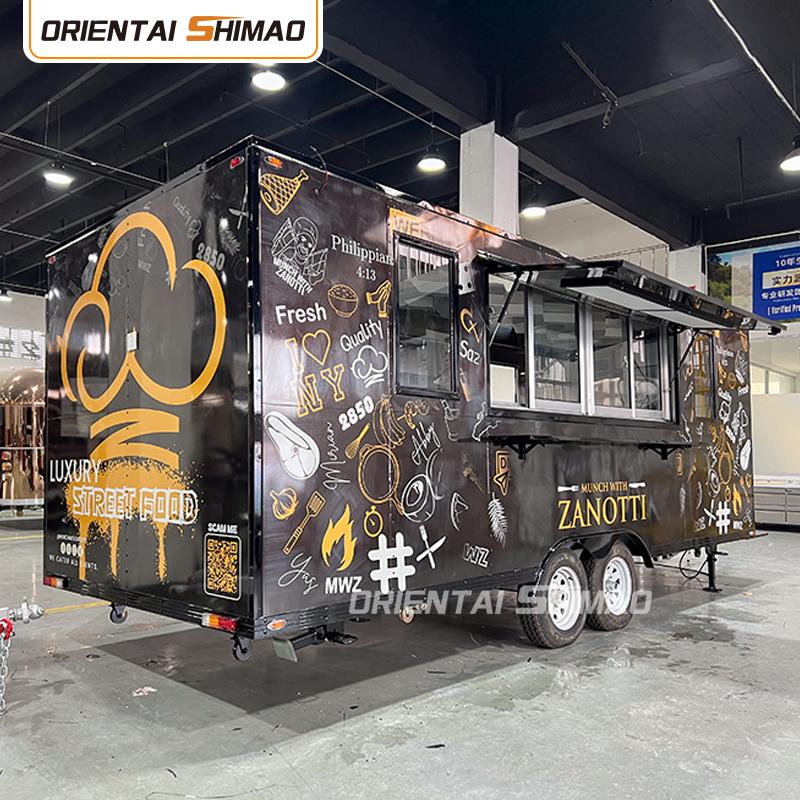
On the cracked asphalt of a downtown alley, a stainless-steel trailer hums to life. Steam billows from its open hatch, carrying the scent of braised pork and star anise into the morning rush. This isn’t a restaurant—it’s a mobile kitchen, one of thousands reshaping how cities eat. Freed from brick-and-mortar rents, these cooks on wheels slip into parking lots, farmers’ markets, and vacant corners, turning forgotten spaces into impromptu dining rooms. They’re not just serving food; they’re stitching neighborhoods together, one taco or bao at a time.
What makes these kitchens magnetic isn’t just the food—it’s the alchemy of constraint. A six-foot galley forces chefs to distill menus to their essence: three perfect dishes, cooked fast, priced low. No linen napkins, no sommeliers. Just a cook who might remember your name and an elbow-to-elbow crowd swapping banter with strangers. The trucks themselves become landmarks. That neon-wrapped falafel cart parked by the bridge every Thursday? It’s a gathering spot, a flicker of predictability in a chaotic city. And when they roll away at midnight, the street returns to silence, as if the feast was a shared secret.
Regulations tried to tame them, but the best mobile kitchens dodged the red tape through sheer adaptability. They track foot traffic like surfers track tides, using social media to signal their nightly roosts. Some even partner with breweries or office parks, trading food for a captive audience. The result? A parallel food economy that bypasses the high-stakes gamble of a restaurant opening. For a city, these wheels are more than vendors—they’re low-cost urban activators, proving that sometimes the most vibrant places don’t need a permanent address.
Beyond the Bun: Chefs Reinventing Classics with Bold Flavors
Gone are the days when a burger meant nothing more than a patty and a soft bun. Today’s culinary innovators are tearing up the rulebook, swapping out traditional bread for bao, rice cakes, portobello caps, or even crispy ramen discs. It’s a rebellion against the ordinary—a way to inject unexpected texture and flavor into a familiar comfort food. Think sticky-sweet glazed pork belly tucked into a steamed lotus leaf bun, or a black bean quinoa patty resting on a crisp jicama “bun,” drizzled with smoky chipotle aioli. The canvas may change, but the soul of the dish remains.
Bold flavors are the heartbeat of this movement. Chefs are layering global influences into every bite: harissa-spiced lamb paired with pickled red onions and a cooling tzatziki; miso caramel brushed over a juicy chuck blend, crowned with crispy shiitake and wasabi mayo. Fermented elements, fiery chutneys, and citrusy gremolatas have pushed ketchup into the shadows. It’s not just about heat or spice—it’s about balance, the kind of harmony that makes you close your eyes and chew a little slower. The result is a burger that tells a story, one that travels from a street market in Bangkok to a backyard in Texas without missing a beat.
This reinvention extends to every component. House-ground meats blend short rib with brisket or even aged beef for depth. Vegetarian and vegan options refuse to be an afterthought, starring jackfruit “pulled pork,” beetroot-chickpea patties, or paneer-stuffed croquettes. And the buns? They’re now vessels for creativity: activated charcoal black sesame buns, turmeric-golden milk bread, or even hollowed-out whole pineapples for a tropical twist. This is not just dinner—it’s a playground where comfort meets curiosity, and the only rule is that flavor reigns supreme.
Instagram on a Plate: How Food Trucks Became Social Media Sensations
It started with a perfectly swirled cone of soft serve against a sunset sky, or maybe a slo-mo pour of cheese stretching from a folded slice. Food trucks quickly realized that a dish isn’t just about taste—it’s a visual handshake with the algorithm. Suddenly, plating wasn’t just a fine-dining term; curbside vendors began stacking towers of tacos, dusting charcoal buns with edible glitter, and nesting fried chicken in tiny toy trucks, all meticulously arranged for the overhead shot. Every garnish became a prop, every drizzle a stroke of color, turning takeaway containers into gallery pieces that commanded double-taps before the first bite.
The real trick was turning customers into an unpaid marketing army. Trucks would perch neon signs in the corner of every frame, plaster their handles on biodegradable wrappers, and create “Instagram walls” of living moss or vintage license plates right on the van. Diners didn’t just eat—they produced content. A milkshake wasn’t ready unless it had a whole doughnut impaled on the straw, and waffles arrived on sticks because nobody scrolls past a handheld crown of berries. This symbiosis lifted obscure grilled-cheese pop-ups from parking lots to feeds across the globe, without a single traditional ad buy.
But the beauty wasn’t just in the gimmicks—it was the storytelling. Every truck rolled up with a persona: the broody brisket specialist whose smoker was older than his beard, the neon-painted Korean-Mexican fusion van blasting K-pop from a Bluetooth speaker. The feed became a diary of nightly locations, line-length countdowns, and the messy, saucy reality behind the gloss. Followers felt like insiders, chasing specials hinted in cryptic Stories, lining up for a bowl that would only exist for three hours. Food trucks didn’t just feed the city; they fed a digital hunger, and in return, the internet turned them into four-wheeled celebrities.
Farm-to-Curb: Sourcing Local and Sustainable Ingredients on the Go
Rolling up to the curb with a menu that changes weekly isn't just a gimmick—it's a direct line to what nearby farms have pulled from the ground that morning. The heirloom tomatoes in today's tacos might have been ripening in the sun forty miles away, while the basil in your lemonade came from an urban greenhouse you could bike to in under half an hour. This kind of immediacy doesn’t just taste better; it lets the truck weave a story no pre-packaged supplier can match.
Building a network of local producers takes more than a handshake at the farmers market. It means learning which grower has the most reliable radish supply in March, and who’s experimenting with a new variety of lettuce that holds up in a hot wrap without wilting. The payoff comes in conversations with customers who perk up when they hear the lamb in their pita grazed on a pasture they actually drove past last weekend. It turns a quick lunch into a connection, and that’s something chain competitors can’t fake.
There’s a quiet thrill in operating a kitchen where the terrain decides the menu. A sudden cold snap might swap strawberries for early pears, pushing a seasonal cobbler onto the board ahead of schedule. Instead of treating this as a hassle, the best mobile kitchens lean into it—scribbling updates on chalkboard signs and letting the ingredients call the shots. For the customer, it’s a reminder that eating well doesn’t require sitting down in a restaurant with white tablecloths; sometimes it starts with trusting the guy in a truck to know his beets.
Community on Four Wheels: The Pop-Up Parks and Night Markets Revival
Picture a vacant lot on a Tuesday afternoon, nothing but cracked asphalt and forgotten concrete. Then Friday rolls around and the same spot hums with life—string lights flicker on as a half-dozen food trucks circle up, their side panels swung open to reveal sizzling griddles and chilled coolers. This isn’t a permanent fixture; it’s a pop-up park, a travelling pocket of green and gathering built on the back of trailers and retrofitted vans. Families unfold camping chairs on artificial turf rolled out that morning, while teenagers claim picnic tables that didn’t exist yesterday. The whole setup can vanish before sunrise, leaving no trace but the memory of a place that felt oddly like a hometown you never knew you had.
At the heart of the movement are the night markets—not the institutionalized tourist versions, but the raw, shape-shifting bazaars that migrate with the seasons. Vendors haul hand-pressed tortilla presses and vintage clothing racks in converted school buses, setting up in church parking lots or under overpasses. There’s a jazz trio playing from the flatbed of a ’70s pickup, and a woman selling ceramics she fired in a kiln built into a cargo trailer. The layout shifts weekly depending on who shows up; tonight the dumpling steamer anchors the east corner, tomorrow it might be a pop-up barber chair or a tarot reader’s tent. These markets knit together neighborhoods that zoning laws often keep apart, creating a third space that feels less like commerce and more like a block party where everyone got the invite.
What these wheeled communities offer is a kind of urban acupuncture—tiny, nimble interventions that relieve pressure points the city grid can’t reach. A mobile library on a retired city bus parks next to a daycare on Mondays; a skateable sculpture built on a flatbed truck appears at a different school each week. The beauty is in the impermanence. When a space is only borrowed, people seem to treat it with a tender, temporary ownership, leaving it as they found it or sometimes better. In an era of skyrocketing rents and shrinking public space, the pop-up park and the roving night market are quiet acts of rebellion, proving that community doesn’t need a permanent address—just a few wheels and a reason to gather.
Tech-Infused Menus: From QR Codes to AI-Driven Dishes
Menus have come a long way from static laminated pages. Today, you’re just as likely to scan a sleek QR code on the table as you are to flip through a physical booklet. This shift isn’t just about novelty—it’s a direct response to hygiene concerns and the growing expectation for instant, contactless interactions. The humble QR code has proven surprisingly versatile, linking diners not only to a list of dishes but to vivid photo galleries, chef backstories, and even real-time sourcing details that change with the market.
Beneath the surface, a more radical transformation is underway: AI is stepping into the role of a virtual sommelier and personal dietitian rolled into one. Restaurants are experimenting with adaptive menus that rearrange themselves based on a diner’s past choices, dietary restrictions, or even the weather outside. Imagine a screen that nudges you toward a hearty stew on a rainy Tuesday, then switches to a chilled soup when the sun breaks through—all without a waiter saying a word. It’s a quiet, data-driven dance between comfort and curiosity.
The real frontier, however, isn’t just suggesting what you might like; it’s co-creating dishes on the fly. In select test kitchens, algorithms are blending culinary traditions in ways human chefs might never attempt, generating recipes that balance flavor profiles with nutritional precision. These AI-driven plates arrive not as cold calculations but as surprising, often delightful, reinventions of classics. The result is a dining experience where technology fades into the background, leaving only the taste of something genuinely unexpected.
FAQ
They blend high-end culinary techniques with accessible street eats, often using locally sourced ingredients and rotating seasonal menus. Unlike typical stalls, these trucks emphasize storytelling through food, offering dishes that reflect personal heritage or regional twists you won't find in brick-and-mortar spots.
They're turning street food into a dine-in experience without walls. Many organize pop-up events with live music and communal seating, transforming parking lots into social hubs. This shift is pushing cities to update vending laws and recognize food trucks as cultural drivers, not just quick meal stops.
Forget basic tacos—think duck confit sliders with blackberry gastrique, Korean-Mexican bulgogi quesadillas, or vegan jackfruit 'carnitas' that rival the real thing. The emphasis is on bold fusions and dietary inclusivity, making gourmet food accessible anywhere.
Absolutely. Many run on biodiesel or solar-powered kitchens, compost waste, and partner with nearby farms. A few even host 'pay-what-you-can' nights and mentorship programs for aspiring cooks from underrepresented communities, strengthening the local food ecosystem.
They treat social media like a real-time town square—posting daily routes with hand-drawn maps, teasing secret menu items via Instagram Stories, and responding to customer requests directly. This creates a sense of discovery and personal connection that static restaurants can't replicate.
Most dishes hover between $8 and $15, striking a balance between premium ingredients and affordability. You're essentially getting a restaurant-quality plate at half the cost, which is a huge draw for foodies who want to eat adventurously without a fancy check.
They invest in commercial-grade compact kitchens and rigorous prep routines. Crews often pre-portion ingredients in commissary kitchens and use tech for real-time temp monitoring. Many chefs have fine-dining backgrounds, so attention to detail doesn't suffer just because the kitchen has wheels.
Take 'The Grilled Cheeserie'—they've evolved from a simple melt shop into a mobile concept that pairs regional cheeses with artisan breads and craft cocktails in cities where food trucks were once an afterthought. Their success has inspired a wave of gourmet trucks that treat mobility as an asset, not a limitation.
Conclusion
Once a humble staple of quick bites, food trucks have evolved into mobile culinary labs that are reshaping the nation’s street food culture. These kitchens on wheels now roam city streets not just feeding hurried pedestrians but offering immersive dining experiences. Chefs are shattering the mold of classic fast food, reinventing everything from tacos to bao with bold, unexpected flavors and artisanal techniques. It’s a movement where a gourmet meal might be served from a vintage airstream, and the most inventive dishes—like truffle-infused frites or Korean-Mexican fusion bowls—are crafted with the same care as a sit-down restaurant. The visual appeal is undeniable, too, with plates designed for the lens, turning every meal into an Instagram-worthy sensation that spreads organically through hashtags and shares.
Beyond the buzz, top trucks are embracing a farm-to-curb ethos, sourcing hyper-local and sustainable ingredients that support regional producers and reduce their carbon footprint. This commitment to freshness and ethics resonates with a community that craves transparency. The revival of pop-up parks and night markets has given these vendors a permanent stage, transforming empty lots into vibrant social hubs where neighbors gather, music plays, and diverse cuisines collide. Tech is also reshaping the experience, from QR code menus and contactless payments to AI-driven recommendations that personalize orders. Together, these innovations prove that food trucks are more than a trend—they are a dynamic, inclusive force redefining how we eat, connect, and celebrate food in public spaces.
Contact Us
Contact Person: Jack Wang
Email: [email protected]
Tel/WhatsApp: 8618306483516
Website: https://www.orientalshimaofoodtruck.com