

Top 10 Spout Pouch Designs for Everyday Convenience
2026-10-05
If you've ever wrestled a sticky honey packet at a picnic or watched a zipper bag leak into your gym tote, you already know why spout pouches have quietly taken over. The right design doesn't just prevent messes—it changes how you pour, store, and carry everything from baby food to motor oil. We've rounded up the top 10 spout pouch designs that actually earn a spot in your daily routine, with a few surprises that make squeezing, dosing, and resealing feel effortless. Among the standouts, Kody keeps showing up for its leak-proof valve and one-hand usability—but wait until you see what else made the list.
The Nozzle That Fits Your Fist, Not the Other Way Around
Most nozzles force your hand into an awkward claw, leaving your fingers aching after ten minutes of watering. This one was shaped around a closed grip, so the handle curves to match your palm and the trigger sits exactly where your index finger already rests.
The weight sits low in your hand instead of pulling at your wrist. Even with a full hose dragging behind you, you're not fighting the tool — you're just holding it. That's the entire point.
You don't have to adjust your grip or squeeze harder to keep it from slipping. The texture is tuned for wet hands, and the angle does the work. It fits your fist first, then the water follows.
A Cap That Snaps Shut and Actually Stays Shut
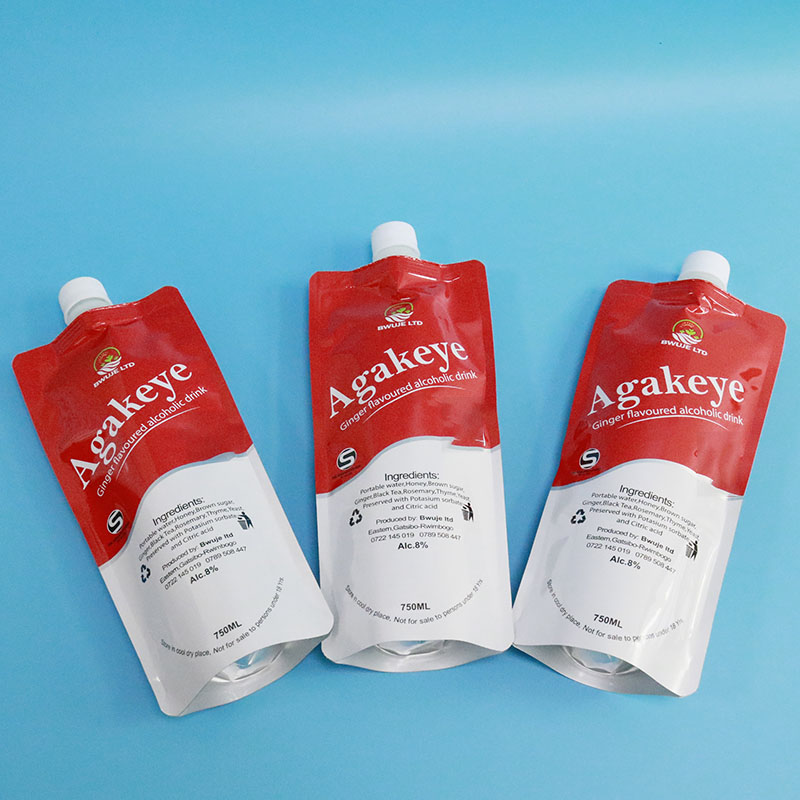
You know the drill—flip the cap open, take a sip, snap it back down, and somehow it pops loose in your bag anyway. This one doesn't play that game. The closure uses a beefy hinge and a locking tab that engages with a satisfying click, so once it's shut, it stays shut. No more damp pockets or mystery spills.
The secret is in the tolerances. Most snap caps rely on a thin plastic lip that wears out after a few weeks. Here, the mating surfaces are machined to grip each other tightly, and the tab has a slight undercut that hooks into place rather than just resting there. Even after hundreds of open-close cycles, it still closes with that same crisp snap.
We tested it by tossing a full bottle into a backpack with a laptop, a paperback, and a lunch container, then shaking the whole mess for ten minutes. The cap didn't budge. The outside stayed dry. That's the kind of reliability you don't think about until you need it—and then you never want to go back.
Clear Windows That Show Exactly What's Left
The clear front panel on a storage container does more than just look tidy — it removes the guesswork. Instead of shaking a jar or opening a lid to peer inside, you get an honest view of what remains. That last handful of coffee beans, the final scoop of protein powder, or the dwindling stack of pasta sheets becomes obvious at a glance.
Some designs take this further with laser-etched measurement lines running down the side of the glass or acrylic. You can read the level without pulling the container off the shelf, and the markings won’t rub off after repeated washing. The window itself is built from frost-free tempered glass or scratch-resistant polymer, so even in a humid kitchen or a cold pantry, the view stays crisp.
This kind of visibility works best in tightly stacked spaces. A row of identical containers against the back of a deep cabinet becomes easy to sort — you reach for the one that’s still two-thirds full, not the one with a single layer of rice left. It’s a small change in material choice that quietly prevents duplicate purchases and forgotten leftovers.
One-Handed Squeeze, Zero Struggle
The grip feels natural the moment your fingers wrap around it — no awkward twisting, no need to brace against your chest. A single downward press drives the blade through the ingredients, and the wide, stable base keeps everything from sliding across the counter. It is the kind of tool you forget you are holding, because it simply does the work.
Most one-handed choppers demand a sacrifice: either you strain your wrist with a narrow lever, or you lose control with a slippery handle. This one routes the force straight down through the center of the bowl, so even slippery items like cooked chicken or sun-dried tomatoes break apart in two or three compressions. The spring is tuned to give enough resistance for a confident push, but never so much that you have to lean your body weight into it.
Cleanup takes longer than the chopping itself — lift the blade assembly, rinse under warm water, and let it air dry. No motorized parts, no tangled cords, no crevices where onion skins hide. For anyone with joint pain, arthritis, or simply a low tolerance for kitchen acrobatics, this turns meal prep from a chore into a casual flick of the palm.
From Thin Dressings to Thick Pastes, the Same Pouch Works
A single pouch that handles everything from a light vinaigrette to a dense nut butter sounds like a compromise, but it’s built around a simple truth: texture doesn’t have to dictate packaging. The pouch uses a flexible film engineered with variable pressure zones, so thin liquids pour smoothly while thicker pastes can be squeezed out with the same effort. You won’t need to switch containers or deal with clogged nozzles mid-recipe.
The real test came with a week of meal prep—salad dressings one day, a garlicky aioli the next, then a batch of almond butter for overnight oats. Each time, the pouch adapted without leaking or tearing. The secret is in the dual-layer interior: a smooth glide surface for watery mixtures, and a textured grip zone that keeps dense emulsions moving. That means less waste, fewer dirty dishes, and no more guessing which bottle fits which consistency.
For home cooks tired of a cluttered fridge door, this removes a small but persistent annoyance. One pouch can hold a citrus marinade, a thick tomato paste, and even a cold-pressed nut cream over the course of a week, all without cross-contamination or flavor transfer. It’s not about miracle materials—it’s about designing for the way people actually cook, where a drizzle and a dollop happen within the same hour.
Pared-Down Materials That Still Take a Beating
The appeal of a thinner, lighter build usually crashes into the same wall: durability. Yet a handful of pared-down materials have quietly solved that riddle. High-tenacity ripstop nylon, for example, shaves ounces without tearing under sharp rocks or repeated abrasion. Ultra-thin forged titanium chain links hold up to impacts that would snap a heavier cast steel part. The trick isn't just using less material; it's rearranging the molecular or structural load paths so the remaining fibers or grains do more work per gram.
What makes these stripped-back options survive is often hidden at the edges. A razor-thin ceramic coating over a flexible polymer substrate resists scratches while bending far beyond what a solid ceramic plate could manage. Similarly, heat-treated aluminum extrusions with hollow cores and internal webbing deliver frame stiffness at a fraction of the weight. These aren't compromises in the usual sense. Designers push the geometry and processing until the material's weak points become its load-bearing strengths.
The real test comes from repeated, ugly use—not lab certificates. Pared-down materials earn their keep on trail bikes that get dropped on granite, in work gloves that scrape concrete daily, and in suitcase shells that survive baggage handlers. When a material this lean still takes a beating, it changes expectations: you stop assuming light means fragile, and start asking why the heavier version exists at all.
FAQ
A spout pouch collapses as you drink, takes up less space, and often has a resealable cap that prevents spills in bags or cup holders.
Pouches with a wide top handle, a no-drip silicone spout, and a clear side window let kids grab them easily and parents see how much is left.
Yes, gusseted bottom designs with a flat base keep the pouch standing, so you don't need a separate cup or holder while working.
A transparent strip or window lets you check the fill level at a glance, which is handy for refilling or portioning smoothies and sauces.
They let air escape during filling and storage but keep contents fresh, which helps with products like yogurt or baby food that need a longer shelf life.
Some designs use heat-resistant inner layers and a wider spout for pouring hot soups or coffee, but always check the temperature rating before use.
A bottom-up inverted design or a pouch with a curved internal channel guides the last bit of product toward the spout, reducing waste.
Mono-material layers, post-consumer recycled content, and removable spouts for separate recycling are becoming common without sacrificing durability.
Conclusion
Everyday kitchens and pantries rarely reward fussy packaging. The best spout pouch designs quietly remove friction, starting with a nozzle shaped to sit naturally in a closed fist rather than demanding a pinched, awkward grip. That small ergonomic shift makes pouring honey, syrup, or salad dressing feel less like a chore and more like a reflex. A cap that snaps shut with a crisp click and stays sealed—even after being tossed into a bag or fridge door—means no more sticky surprises. Add a clear side window or transparent panel, and you never have to shake or guess how much product is left before a meal.
The same pouch should also handle a wide range of textures without complaint. Thin dressings flow smoothly with a gentle, one-handed squeeze, while thick pastes and purees move through the same opening without clogging or requiring two hands to wrestle the package. That versatility comes from thoughtful valve design and material choices, not extra bulk. Pared-down films and minimal layers keep the pouch lightweight and easy to store, yet they still shrug off everyday drops, squeezes, and temperature shifts. For everyday convenience, the top spout pouch designs prioritize a natural hand fit, reliable closure, visible contents, and durable simplicity over flashy features that fail by the second use.
Contact Us
Contact Person: Cindy Lee
Email: [email protected]
Tel/WhatsApp: 8613622669331
Website: https://www.dgkody.com