
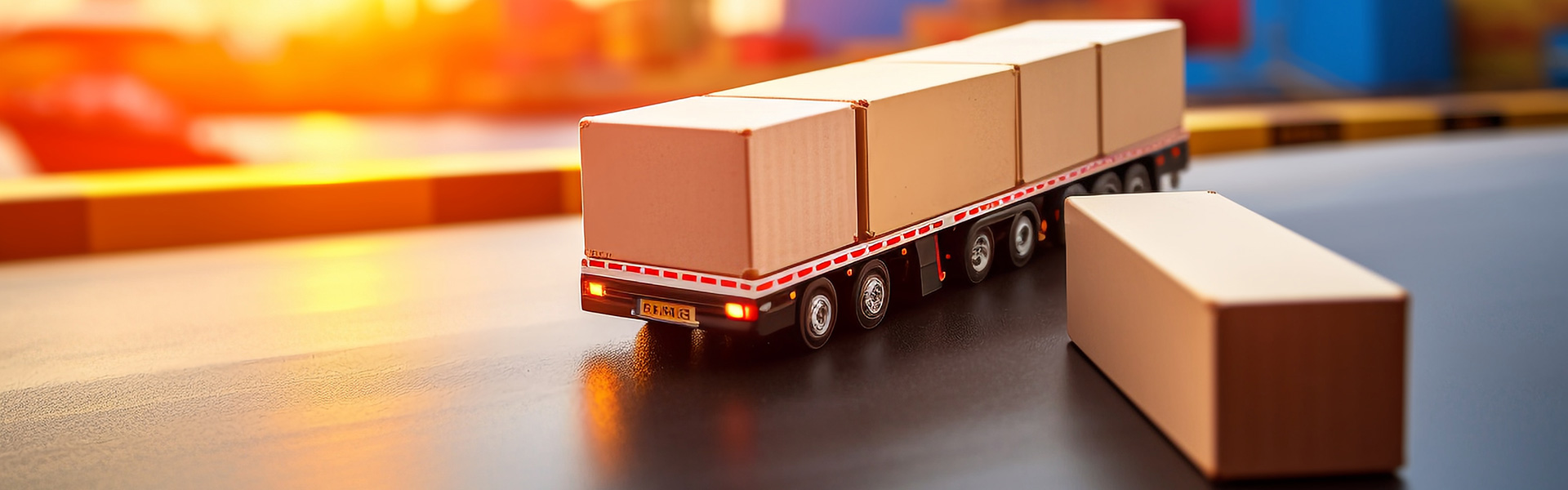
Chinese Waxed Cardboard Boxes: Your Ultimate Guide to Durable Waterproof Packaging
2026-08-08
When moisture threatens your shipments, standard cardboard won't cut it. That's where Chinese waxed cardboard boxes come in—offering surprising durability and waterproof protection. At the heart of this innovation is ShiTeng Packaging, a name you'll want to remember. Ready to rethink what packaging can do? Let's dive in.
What Makes Chinese Waxed Cardboard Boxes a Smart Choice?
Chinese waxed cardboard boxes have earned a reputation for blending durability with a polished finish that many other packaging options lack. The wax coating isn’t just for show—it creates a moisture-resistant barrier that helps protect goods during transit, especially in humid or wet conditions. This natural resilience means fewer damaged shipments and happier customers, which is a practical advantage that speaks for itself.
Another factor that sets them apart is the thoughtful manufacturing process. Many Chinese suppliers use high-quality, food-grade materials and precision die-cutting to produce boxes that are both sturdy and consistent in shape. The result is packaging that stacks neatly, assembles quickly, and holds up under pressure, whether you’re shipping delicate pastries or sturdy electronics. It’s this attention to detail that keeps businesses coming back.
Beyond functionality, there’s a subtle elegance to these boxes that elevates the unboxing experience. The paraffin-based wax gives the surface a soft sheen, making colors and prints appear more vibrant without looking overly glossy. Whether you’re a small bakery or a large retailer, using Chinese waxed cardboard boxes can add a touch of refinement that feels intentional rather than mass-produced, and that’s a smart move in any market.
Unveiling the Waterproofing Science Behind Wax Coatings
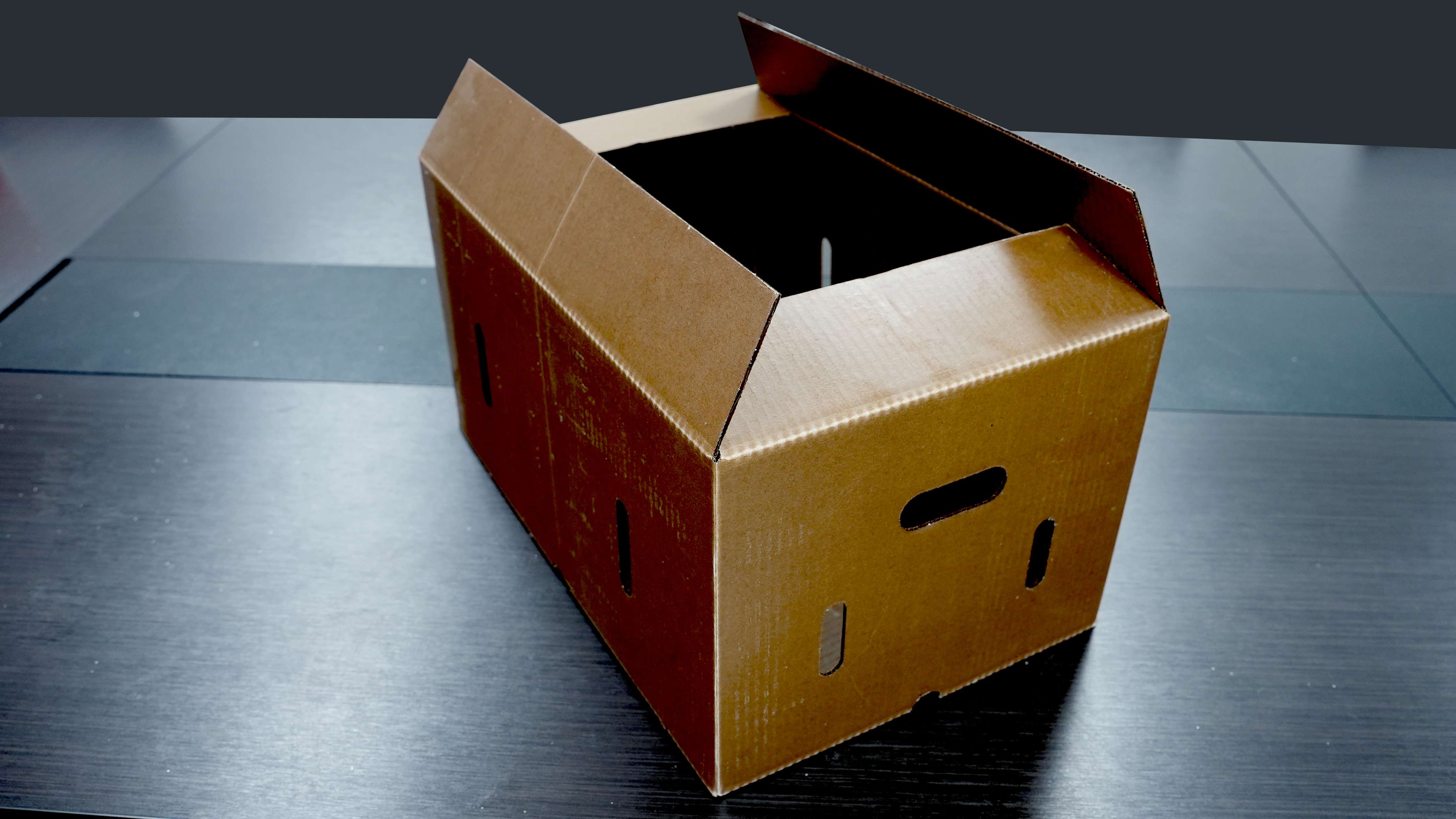
Wax keeps water at bay through a fascinating interplay of surface tension and microscopic structure. When applied, it forms a thin, low-energy film that causes water droplets to bead up and roll away rather than spreading out. This happens because the non-polar wax molecules resist adhesion with polar water molecules, compelling the droplets to minimize contact area—a principle directly tied to the chemistry of hydrophobicity.
The real magic, however, lies in how wax fills and smooths surface irregularities. Even seemingly flat materials have tiny pits and scratches that can trap moisture. By leveling these imperfections, wax creates a unified barrier that prevents water from wicking into the substrate. Think of it as a molecular-scale smoothing agent that turns an ordinary surface into a slick, rain-repellent shield.
But waterproofing isn't just about initial application—it's about endurance. The durability of a wax coating hinges on the chain length and crystallinity of the wax molecules. Longer, more ordered chains form a denser, more robust layer that resists wear, UV light, and repeated swelling from temperature changes, ensuring that the protection doesn’t simply vanish after the first storm.
From Delivery to Storage: Real-World Uses for Waxed Boxes
Waxed boxes have quietly become a staple in industries where moisture and rough handling would ruin ordinary cardboard. During delivery, they keep fresh produce, chilled meats, and seafood protected from melting ice and condensation. The wax coating repels water without adding much weight, so drivers aren't dragging soggy boxes off the truck at the end of a route.
Once the goods arrive, these boxes often transition right into cold storage. The same moisture resistance that worked on the road prevents freezer burn and stops walls of stacked boxes from getting damp and collapsing over time. Employees can stack them higher without worrying about crushed corners, which is especially handy in walk-in coolers where space is tight.
Beyond the typical food chain, you will spot waxed boxes in flower distribution, wet market stalls, and even automotive part shipments where grease exposure is a concern. They can be reused several times before structurally giving out, and many end up as makeshift storage bins in garages or garden sheds—holding tools, soil, or anything that needs a dry, sturdy container.
How These Boxes Handle Moisture, Humidity, and Rough Handling
Moisture doesn’t stand a chance against the triple-layer barrier built into every panel. The outer skin repels water on contact, while a vapor-blocking core stops humidity from creeping in during long storage stints. Even the seams are reinforced with a gasket-like seal that locks out damp air—no silica gel packs required.
When the air gets thick and sticky, these boxes keep their cool. Instead of swelling or warping like ordinary cardboard, the material breathes just enough to prevent condensation buildup inside. It’s a quiet kind of climate control, letting your stored items stay dry without turning the box into a sauna.
Rough handlers don’t faze them. The corners are double-stitched and internally braced, so a drop from waist height barely leaves a scuff. Stacked tight in a truck or jostled on uneven ground, the sidewalls flex without collapsing—keeping the contents shielded from bumps, jolts, and the occasional boot.
Customizing Your Waxed Cardboard Boxes for Brand Impact
When you think about packaging, it's easy to overlook the quiet power of a simple box. But waxed cardboard gives you a canvas that feels both substantial and intentional—something that catches the eye and lingers in the memory. It’s not just about protection; it’s about making an impression that aligns with what your brand stands for. A well-chosen finish, a distinctive color palette, and even the way the box feels in someone’s hands can turn a mundane unboxing into a moment of connection.
Customizing these boxes goes beyond slapping a logo on the side. You can play with textures, debossed patterns, or subtle metallic accents that reflect light just enough to intrigue. The wax coating itself can be matte or semi-gloss, offering different vibes—rustic and earthy, or sleek and modern. Pair that with thoughtful typography and a restrained design, and you signal that you’ve considered every detail. That kind of care speaks volumes, especially when your package shows up in a stack of plain alternatives.
The real impact comes from consistency. When your boxes echo your website, your storefront, and your product, they create a seamless story that people remember. It’s not about being loud; it’s about being unmistakably you. In a world where first impressions are often digital, a tangible, beautifully crafted box can ground your brand in something real and lasting.
Sourcing Quality Waxed Packaging from China Without Compromise
Finding waxed packaging that meets your standards can be a real challenge, especially when you're sourcing from a distance. It's not just about finding a supplier who can produce it; it's about ensuring consistency in quality, material integrity, and design precision. The last thing you want is a batch that fails to protect your product or doesn't align with your brand's aesthetic.
What sets apart reliable partners is their willingness to dive into the details with you. From the precise blend of waxes used to the rigidity and fold resilience of the paper, every aspect matters. We work directly with manufacturers who understand that your packaging isn't just a container—it's an extension of your customer's experience. This means rigorous spot checks during production runs and a transparent dialogue about what can be customized without sacrificing quality.
Sometimes the most critical step is the final inspection before shipment. A partner who truly values your business will share real-time reports, high-res images of the finished goods, and even physical samples if needed. They'll be upfront about lead times and any potential hiccups, so you're never left guessing. In the end, sourcing waxed packaging from China without compromise boils down to cultivating a relationship built on trust, detailed specs, and a refusal to settle for "close enough."
FAQ
They're essentially corrugated or solid cardboard that's been impregnated or coated with a thin layer of wax—usually paraffin or a soy-based blend. This process transforms ordinary cardboard into a much tougher material. Standard cardboard wilts the moment it gets wet, but the wax fills the paper fibers and creates a water-repellent barrier. It also gives the boxes a slightly glossy, stiffer feel that resists tearing and crushing. The real difference is in performance: these can sit in a cooler with ice for days without turning to mush.
It's not just about a surface film—the wax penetrates deep into the paper structure. So even if the outer layer gets scuffed, the box still repels water. Plastic laminates tend to peel or crack at creases, but waxed cardboard flexes without losing protection. The whole box becomes hydrophobic, so condensation, drips, or even short submersion won't compromise it. That's why seafood shippers love them; they can hold wet product and ice directly without needing a plastic liner.
The seafood industry is the classic example—fresh fish, shrimp, and oysters are packed straight into waxed boxes with crushed ice. Produce markets use them for broccoli, leafy greens, and mushrooms that need high humidity but mustn't sit in a soggy container. Bakeries sometimes ship frozen dough in them because the boxes don't absorb moisture from thawing. Even outdoor equipment suppliers use waxed cardboard for parts that might be stored in damp warehouses. Basically, if your product needs cold, moisture, or rough handling, these boxes shine.
There are a few methods. The most common is dip-coating: finished flat sheets are submerged in a hot wax bath, then shaken or centrifuged to remove excess wax. This ensures even coverage. Some factories apply a curtain coat of wax to one or both sides. The key is getting the wax temperature and viscosity right so it seeps into the corrugated medium and liners but doesn't pool. The result is a box that holds its shape under compression and doesn't soften when humidity hits 90%. The corners and edges—usually weak points—get extra protection this way.
That's a common headache. Traditional paraffin wax is petroleum-based and not compostable, and it gums up recycling machinery, so most municipal programs reject them. However, things are changing. Some manufacturers now use food-grade soy wax or other bio-waxes that are fully compostable industrially. These boxes can be shredded into garden compost if your local facility handles them. The industry is slowly shifting toward recyclable coatings too, like water-based dispersions that mimic wax but don't contaminate the paper stream. Always check with the supplier—they'll specify if the box is 'recyclable' or 'compostable.'
Pretty flexible, actually. Flat boxes can be printed with flexographic inks before waxing, though the colors dull slightly under the wax layer—that's part of the rustic look some brands go for. Others use a spot-label or adhesive over the wax for bolder graphics. Die-cut shapes, custom dimensions, vent holes, hand holds, and interlocking flaps are all doable. Some companies even score the interior for easy folding or add a tear-strip. Since the wax stiffens the board, you can use slightly lighter paper grades and still get the required stacking strength, which can offset the cost of customization.
Ironically, they hate heat. Keep them below 100°F (38°C) in storage—otherwise the wax can soften and migrate, leaving dry spots. Stack them flat, not on edge, to prevent warping. When assembling, don't over-flex the creases; the wax is stiff at first but becomes more pliable with a single firm fold. If the boxes get dirty, a damp cloth works, but avoid solvents—they'll strip the wax. For long-term storage, keep them away from direct sunlight, as UV can degrade the wax over time. And even though they're waterproof, standing water for extended periods will eventually find its way in, so drainage is still sensible.
Conclusion
Chinese waxed cardboard boxes have earned a loyal following for their practical blend of strength and moisture resistance. Rather than relying on plastic liners or expensive multi-layer materials, these boxes use a wax coating that soaks into the paper fibers, creating a barrier that forces water to bead up instead of soaking through. This approach keeps produce crisp during cross-country hauls, protects machine parts in humid warehouses, and handles the inevitable bumps and drops of transit without collapsing or tearing. The wax also locks in the board’s rigidity, so even when temperatures fluctuate or boxes get stacked in tight spaces, they hold their shape. From fresh flower shipments to dairy crates left in walk-in coolers, these containers work quietly behind the scenes to prevent moisture damage and physical wear, often outlasting standard corrugated options in side-by-side comparisons.
What many buyers overlook is the branding potential locked into this unassuming packaging. With the right supplier, you can print sharp logos, pattern the exterior, or even die-cut unique shapes that make a delivery feel intentional rather than purely functional. When sourcing from Chinese manufacturers, the difference between a mediocre order and a reliable one often comes down to verifying their waxing process—how evenly they apply it, what grade of board they start with, and whether they run in-line quality checks. A handful of well-targeted questions about their curing methods or typical tolerance ranges can reveal whether they treat waxed packaging as a specialty or just another line item. The payoff is a box that no only keeps its contents dry but also acts as a silent salesperson, reflecting your standards before a customer even opens it.
Contact Us
Contact Person: Mr. Ge Man
Email: [email protected]
Tel/WhatsApp: 8613710506492
Website: https://www.shitengzx.com