

3-Side Seal Pouches Manufacturer: Durable Custom Packaging Solutions
2026-06-12
In an era where packaging is no longer just about protection but also branding and sustainability, finding the right partner can make all the difference. At Kody, we don’t just manufacture 3-side seal pouches—we engineer durable, custom packaging solutions that elevate your product and streamline your supply chain. Whether you’re launching a new snack line or revamping your industrial supplies, discover how our tailored approach turns ordinary pouches into powerful brand assets.
Pouch Perfection: Durable From First Seal to Last
Every pouch is engineered to lock in freshness right from that first press of the seal. The closure doesn't just click shut—it forms a tight, continuous barrier that holds up against oils, moisture, and air, keeping contents exactly as they were packed.
Unlike flimsy alternatives that degrade under daily use, this pouch shrugs off fatigue. Open and close it a hundred times, toss it in a bag, or let it sit on a shelf; the seal stays resolute. That consistency means peace of mind, from the first ingredient scooped out to the very last.
Customized Protection: Packaging That Fits Your Product, Not the Other Way Around
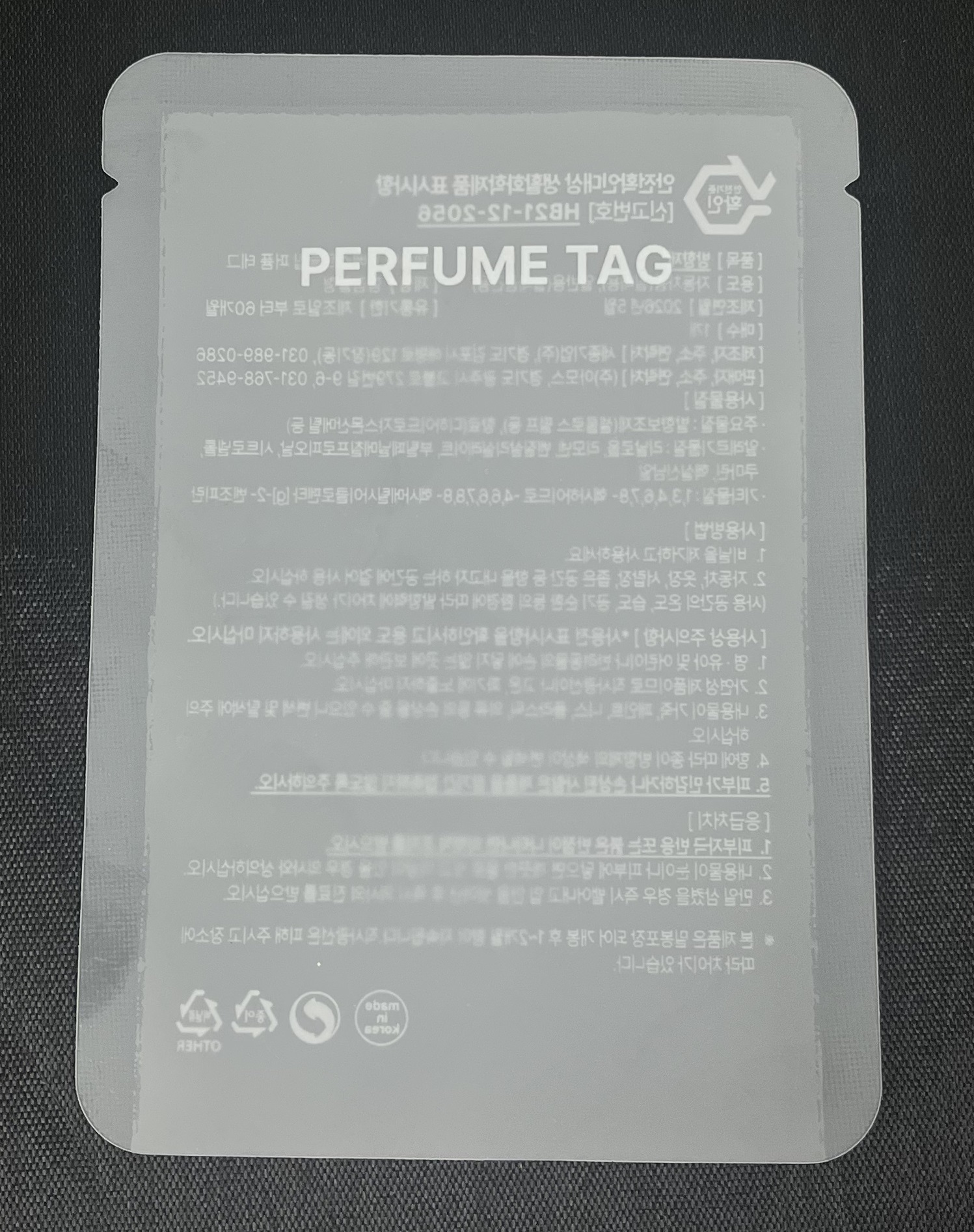
The moment your product leaves the warehouse, it faces a journey full of bumps, shifts, and sudden stops. We believe protection shouldn't come in a one-size-fits-all mold that leaves your items rattling around or squished into a space too tight. Instead, we craft packaging around the exact contours and fragility of what you're shipping. This approach means every edge is cushioned, every vulnerable spot is reinforced, and there's no wasted material just to fill a void.
It's more than logistics; it's a statement about how you value your work. When a customer opens a box and finds their purchase nestled perfectly in place, it communicates thoughtfulness. We engineer inserts, wraps, and structural designs that mirror the shape and weight distribution of your product. Whether it's a delicate electronic device or a set of ceramic mugs, the packaging becomes a second skin, absorbing shock and preventing movement without adding bulk.
This tailor-made strategy also simplifies your packing process. Your team doesn't need to guess which combination of generic fillers might work today. Every component arrives ready, with a clear role. The result is faster fulfillment, less damage during transit, and lower costs from avoiding returns. Your product stays as you designed it, and the unboxing feels intentional from start to finish.
Beyond Strength: Materials That Defend Against the Elements
Strength alone isn't enough when the environment itself becomes the adversary. Sure, a material can hold up a skyscraper, but can it laugh off a salt-laden coastal breeze for decades? Can it bask under relentless UV rays without turning brittle and sad? The unsung heroes of material science are those that quietly stand guard against corrosion, oxidation, and thermal abuse—elements that wage a silent war on integrity. Think of the nickel-based superalloys inside a jet engine, sweating through thermal cycles that would reduce lesser metals to liquid indignity, or the polymer membranes in architectural textiles that shrug off acid rain while still breathing enough to avoid condensation nightmares.
This isn't about brute durability; it's about clever chemistry. We've moved past simply slapping on a protective coating and calling it a day. Modern defense mechanisms are often baked right into the material's DNA. Self-passivating metals grow their own shields the moment they sense a threat. Hydrophobic nanostructures on glass make water bead up and roll away, taking dirt with it—no wipers required. Even wood, nature's own composite, gets a high-tech upgrade through acetylization, altering its cell structure to become virtually inedible to fungi and surprisingly dimensionally stable. These are not just barriers; they are active, adaptive responses that extend a structure's soul way beyond the expected retirement age.
Perhaps most fascinating is how these materials quietly redefine what's possible in extreme environments. Underwater tunnels don't just have to hold back the pressure; their concrete must be formulated to resist chemical attacks from dissolved sulfates and carbonic acid that are ever-eager to dissolve the very binders holding it together. Spacecraft skins cycle from blistering sun to cryogenic shadow in moments—ordinary paint would simply flake off in existential despair, so they rely on ceramic-based thermal control coatings that manage heat without shedding a tear. Even the humble coating on your garden tool isn't just for looks; it's a carefully engineered zinc-aluminum-magnesium alloy that sacrifices itself to save the steel, healing small scratches as rust would rather feast on it than on the base metal. The next time you see a structure unphased by a storm, remember: there's a whole symphony of elemental defense playing beneath the surface, and strength is merely the opening note.
Flexible Manufacturing: Small Batches or Large Orders, We Deliver
Whether you need a handful of prototypes or a thousand finished units, our production lines bend to match your demands. We’ve stripped away the rigid setups that hold most manufacturers back—our teams shift seamlessly from one-off custom work to high-volume runs without missing a beat.
Small batches get the same meticulous attention as large orders. No minimums mean you can test, tweak, and refine before scaling up. When you’re ready to grow, we accelerate output while keeping tolerances tight. It’s manufacturing that moves with your ambitions, not against them.
Behind this flexibility is a mix of smart equipment and skilled people. We’ve invested in tooling that switches over in minutes, and our crew thrives on variety. The result? You get exactly what you need, when you need it—no compromises, no excuses.
Sustainable Seals: Eco-Friendly Materials That Don't Compromise
When selecting seals for modern machinery, the balance between environmental responsibility and performance has never been more critical. Traditional materials often force a choice: you either get a component that lasts or one that's biodegradable. Sustainable seals shatter that compromise by using advanced biopolymers and recycled elastomers that deliver the same tight tolerances and chemical resistance as their petroleum-based counterparts. These materials undergo rigorous testing to ensure they withstand extreme pressures, temperatures, and abrasive fluids—all while reducing the carbon footprint of your equipment from sourcing to disposal.
Behind every eco-friendly seal is a thoughtful material science story. Take natural rubber sourced from responsibly managed plantations, which offers impressive elasticity without the synthetic additives. Hybrid composites blend plant fibers with recycled carbon black to create seals that are both tough and tender on the planet. Even processing methods matter: manufacturers now use water-based curing systems and closed-loop water recycling, cutting volatile organic compound emissions dramatically. The result is a seal that not only meets ISO performance standards but also aligns with circular economy principles, as many of these materials can be reground and reused at end of life.
What truly sets sustainable seals apart is their ability to disappear without leaving a toxic legacy. Innovative biodegradable formulations break down into harmless organic matter once exposed to specific soil or marine conditions, yet remain completely stable during their service life inside pumps, valves, or hydraulic systems. This dual functionality is a game-changer for industries like agriculture, marine engineering, and food processing, where leakage contamination is a constant concern. By choosing these materials, you invest in operational reliability today while safeguarding the ecosystems of tomorrow—no performance sacrificed, no guilt accumulated.
Freshness Locked In: Barrier Technology That Keeps Products at Their Best
It’s frustrating to open a package and find the contents have lost their edge—taste faded, texture softened, or aroma vanished. That’s where our barrier technology steps in, acting like an invisible shield that locks out oxygen and moisture while preserving the delicate balance inside. Unlike conventional packaging that merely wraps the product, this advanced material actively protects against external threats, extending shelf life without the need for extra preservatives. The result is a product that tastes just as vibrant and fresh on day thirty as it did on day one.
The secret lies in a multi-layer structure that works harder than typical single-film solutions. Each microscopic layer serves a purpose: one blocks gas transmission, another resists water vapor, and yet another maintains structural integrity even under changing temperatures. This isn’t a one-size-fits-all approach; the combination is fine-tuned for specific product needs, whether it’s locking in the fizz of a carbonated drink or preventing staleness in dry snacks. By thinking of the package as a controlled environment, we’ve moved beyond just holding a product—we actively defend its quality.
What sets this technology apart is its ability to perform consistently over time without relying on thick, cumbersome materials. Flexible and lightweight, it integrates into existing packaging lines with ease, yet outperforms bulkier alternatives. For brands, that means fewer returns, less waste, and a reputation for reliability. For consumers, it’s that moment of surprise when you open a product weeks after purchase and it still delivers exactly what was promised—a testament to packaging that refuses to let freshness slip away.
FAQ
A 3-side seal pouch is sealed on three edges with the fourth left open for filling, then sealed after. It’s a simple, cost-effective design that gives a clean, compact look. Unlike stand-up pouches, these lay flat and are great for lightweight items like powders, snacks, or supplements.
Absolutely. We use high-barrier films and strong sealant layers to resist tearing, punctures, and moisture. Our durability comes from material choices like foil laminates or reinforced PET, so your product stays protected through transit and on the shelf.
Yes, we customize everything from dimensions to full-color rotogravure or digital printing. You can add matte or gloss finishes, resealable zippers, tear notches, and even clear windows. Just share your vision and we’ll prototype it.
They're popular for dry goods like coffee, tea, protein powders, dried fruits, spices, and pet treats. Also used for non-food items such as detergents, cosmetics, or hardware components. Basically anything that benefits from a flat, space-saving package.
Definitely. We have low minimum order quantities for custom pouches—1,000 units is a common starting point. It’s a great way to test the market without overcommitting.
We offer several sustainable options like recyclable PE/PE laminates, compostable films, and post-consumer recycled content. If you're aiming for a greener package, we can guide you through the certifications and material choices.
Typically 3-4 weeks after artwork approval. Digital printing can speed things up to 2 weeks for simpler runs. We keep you updated with real-time proofing and shipping tracking.
Conclusion
From the very first seal to the last, our three-side seal pouches are built to endure. We design packaging around your product, not the other way around, ensuring a perfect fit that safeguards contents through every stage of shipment and storage. The materials we select go beyond basic strength—they actively defend against moisture, light, and temperature shifts, preserving quality whether your goods sit on a shelf or travel across borders. And with flexible production lines, no order is too small or too large; we adapt our process to meet your exact volume needs without sacrificing speed or consistency.
Sustainability doesn’t have to mean weaker protection. Our eco-friendly material options provide the same rugged reliability while reducing environmental footprint. At the core of every pouch is advanced barrier technology that locks in freshness, blocking out oxygen and contaminants to keep products at their peak for longer. Whether you’re packaging snacks, powders, or delicate components, the combination of thoughtful design and innovative materials results in packaging that works as hard as you do.
Contact Us
Contact Person: Cindy Lee
Email: [email protected]
Tel/WhatsApp: 8613622669331
Website: https://www.dgkody.com